The shifting landscape of solar project development

Solar project development across the UK and EU is often considered a story of differing markets, shaped by different policy frameworks and national priorities. While regulatory specifics differ, developers across these regions have many of the same challenges. From grid access and wholesale electricity market volatility exposure to workforce constraints and declining investor confidence, the similarities are becoming increasingly apparent.
How effectively developers can understand and adapt to these pressures will determine which projects are best placed to secure investment and progress to delivery.
A shifting landscape
Across the EU, projects are being reshaped as markets move away from direct government support.
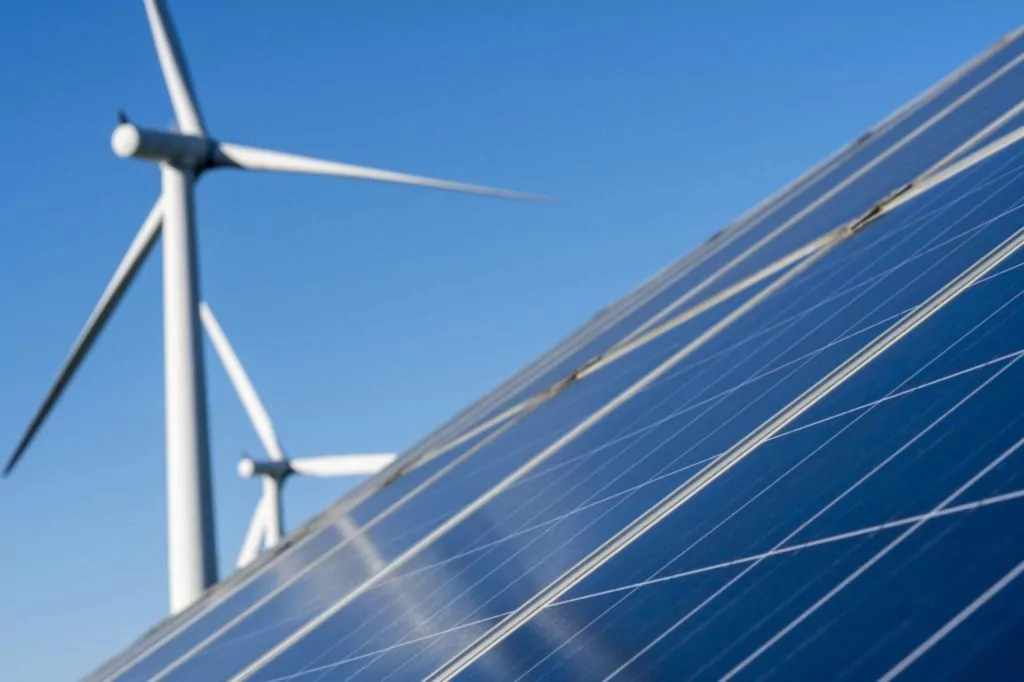
Standalone solar is becoming harder to finance on attractive terms. Investors are signalling a preference for integrated solar‑plus‑battery projects, reflecting the need for flexibility with assets.
Power Purchase Agreements ("PPAs") are also evolving. Structures are becoming more complex as risk is actively redistributed between developers and power offtakers. The net result is a requirement for stronger balance sheets, clearer delivery timelines, and more sophisticated commercial strategies.
On the supply side, pricing in the solar panel market has been through a significant reset. Oversupply from Chinese manufacturers in 2024/25 drove prices down across global markets. However, following market stabilising measures by the Chinese government on factors such as factory utilisation and export VAT, a price reset appears to be underway for 2025/26 and 2026/27. The market is now hopeful that this will provide much-awaited predictability and sustainability for developing projects.
Shared trends
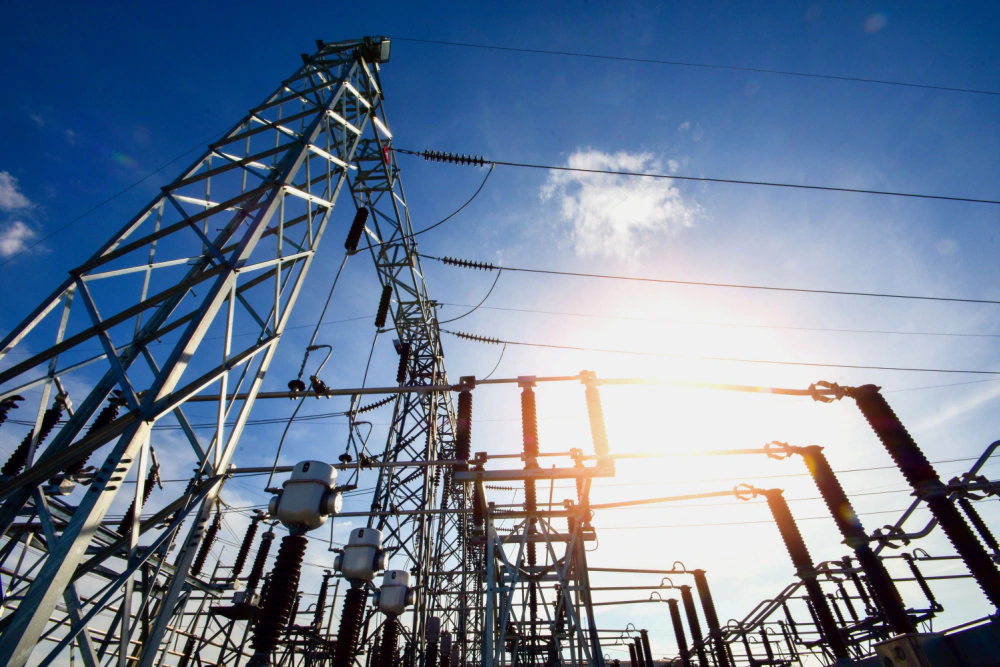
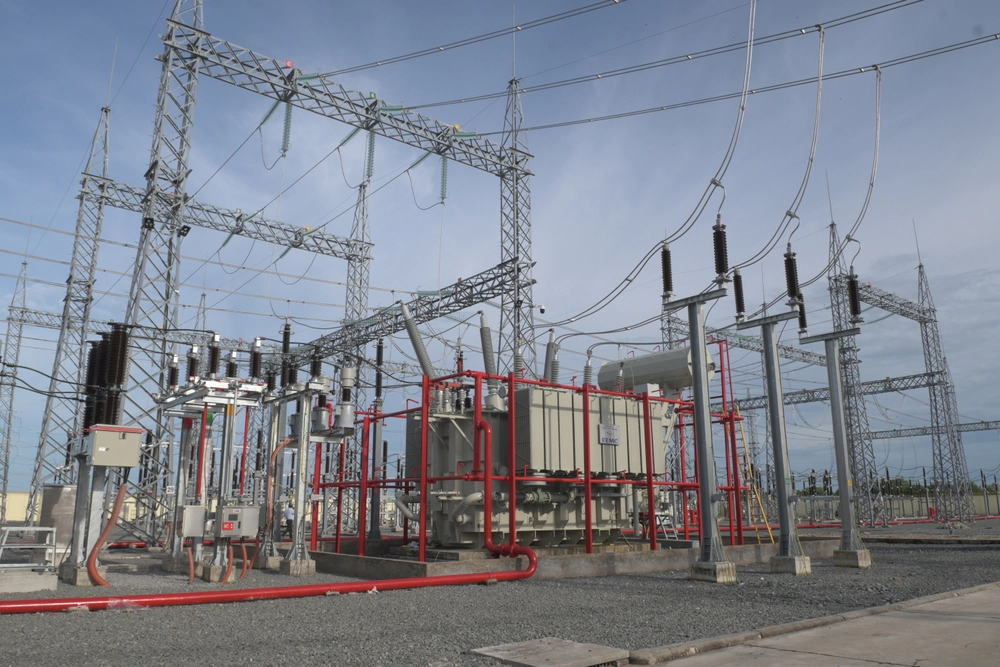
Grid access is the single most consistent constraint across the UK and EU markets. Demand for connections continues to exceed capacity, and every market is being forced to introduce stricter requirements on which projects progress. In the UK, this has been implemented through the grid connection reform process.
Markets are responding in different ways, but common themes are emerging. Across the board, milestone-based progression is becoming the norm as the grid system is squeezed and capital investment becomes increasingly selective. Developers are required to evidence project readiness (reflected in the requirements from Germany and the UK) and, in some instances, proof of financial commitment (in Poland and the UK). There is also a push for greater transparency from developers, with countries such as Spain and Italy requiring DNOs and Tos to publish their grid capacity data.
This environment has significantly altered the battery energy storage ("BESS") market. With demand capacity oversubscribed and an increasingly integrated approach being required, BESS has become central to unlocking grid access and improving system value.
The UK market: Scale, supply chain, and workforce
In the UK, political stability remains critical to reinvigorating investment in the solar industry. While the appointment of Andy Burnham as Prime Minister in July 2026 did not involve a change in the governing political party, investors remain sensitive to the effects of frequent changes in political leadership and the potential implications for long-term infrastructure and renewable energy policy. Burnham has emphasised a focus on the UK '"regaining stability" however, the effect on the direction of the UK's commitment to energy transition, and the potential investor response, remains to be seen.
From a supply chain perspective, the UK has strong fundamentals; more than two‑thirds of a solar site’s components can be sourced from the UK and Europe, reducing exposure to geopolitical and logistics risks while creating localised value for the sector.
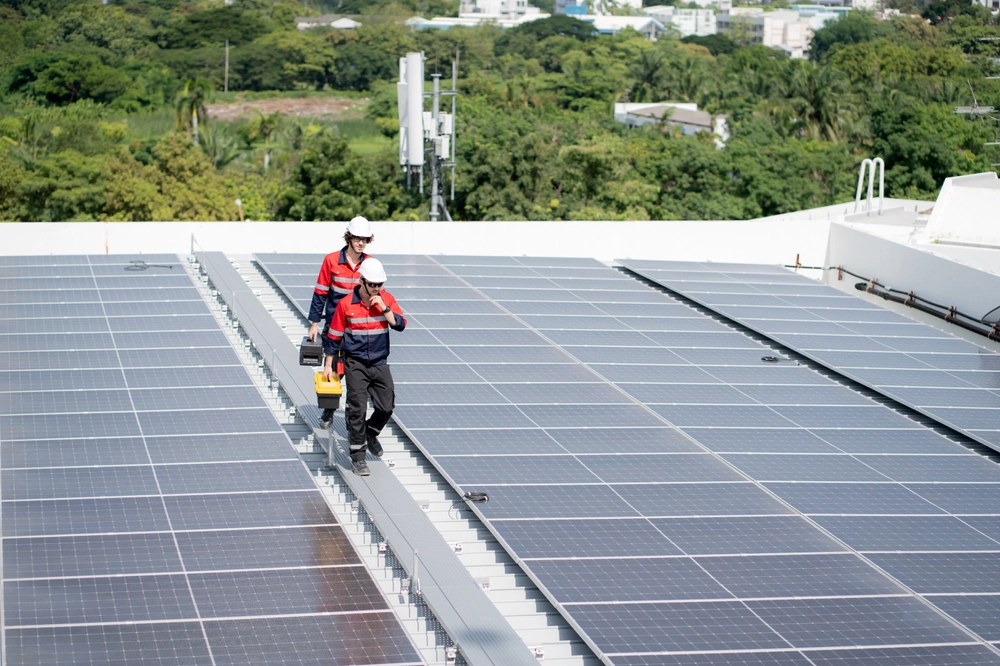
However, an issue not shared as acutely with other EU markets is the dwindling workforce that UK developers are witnessing. Currently, labour is a significant cost on a solar site, accounting for "approximately 30% of the build cost[1]. A concern that is shared by quite a few of our developer clients is the depletion of the skilled workforce following Brexit and the hiatus that has followed the Gate 2 to Whole Queue process, whilst developers awaited the results of the connections' reform. This, coupled with the fact that the solar sector only gained globally recognised training standards in 2024, has created an urgent need to make the sector attractive enough to replenish and grow a qualified workforce.
What's next for the sector?
Across the UK and EU, the following issues are emerging as focus areas for the next phase of market development.
- End‑of‑life management
This is becoming a more prevalent issue, moving from regulatory obligation into a real-life strategic and logistical consideration. The aim for the UK sector is for there to be a circular industry in place, with materials being recycled at the end of project life, negating the need for the mining of raw materials. However, this is reliant on suitable infrastructure being in place and a desire to design materials with circularity principles in mind.
Both the EU and UK solar panel waste and recycling markets are in a stage of growth, with regulations such as the EU WEEE Framework (and UK equivalent) placing recycling responsibility on manufacturers to engage with recycling technologies and drive sustainability. Along with this, comes an increased interest in second-life applications for solar pv components with technologies being developed to reapply materials to sectors such as agri-PV and community projects.
- Blended models
When it comes to securing a route to market, developers are looking at combining different revenue streams. In the UK, Contracts for Difference ("CfDs") remain attractive for developers and investors; they provide long-term revenue certainty and mitigate concerns around the creditworthiness of the counterparty. Often, large-scale ground-mounted solar pv projects will sell a portion of the electricity generated by the facility to the open market (with the support of a CfD) with the remainder being sold under a sleeved PPA to a corporate offtaker. In the BESS space, we anticipate that revenue stacking will continue to be the norm for the foreseeable future.
Conclusion
Despite differing policy environments, the overarching message is consistent across the UK and EU: capital is available, but it is conditional. Funding is flowing to projects that demonstrate clarity on grid access, readiness, credible execution timelines and an ability to secure attractive route to market terms.
For developers and investors, recognising this shared reality is an advantage as the conversation shifts from one of comparison to one of collective problem‑solving.
[1] Justin Thesinger (Low Carbon), Solar & Storage Live London 2026.
Get in touch

Managing Associate
Energy & Infrastructure | Projects, Infrastructure & Construction
Bristol