The Renewable Electricity Price Guarantee in Northern Ireland: A boost for local renewable energy investment


Introduction
To support Northern Ireland's target of generating at least 80% of electricity from renewable sources by 2030, as set out in the Climate Change Act (Northern Ireland) 2022, the Department for the Economy (DfE) has introduced a renewable electricity support scheme known as the Renewable Electricity Price Guarantee (REPG).
The REPG draws on established auction‑based models in Great Britain (Contracts for Difference) and the Republic of Ireland (Renewable Electricity Support Scheme), while being tailored to the Northern Ireland market. Its primary objective is to encourage investment in renewable electricity generation while providing greater price stability for consumers and reducing exposure to global energy price volatility.
What does the scheme entail?
The scheme will operate through a legally binding bilateral contract between the renewable energy generator and a designated counterparty, the Low Carbon Contracts Company. It will be funded through a structured, two-way payment mechanism under which consumers will contribute during periods of low market prices to support generator revenues and will receive payments or bill reductions during periods of higher prices when generators return the difference.
The DfE's Final Scheme Design is currently focused on the first auction – the scheme may evolve as further auctions are developed and supporting legislation and detailed terms and conditions are finalised.
Who is eligible?
Eligibility is dependent on meeting criteria in five categories:
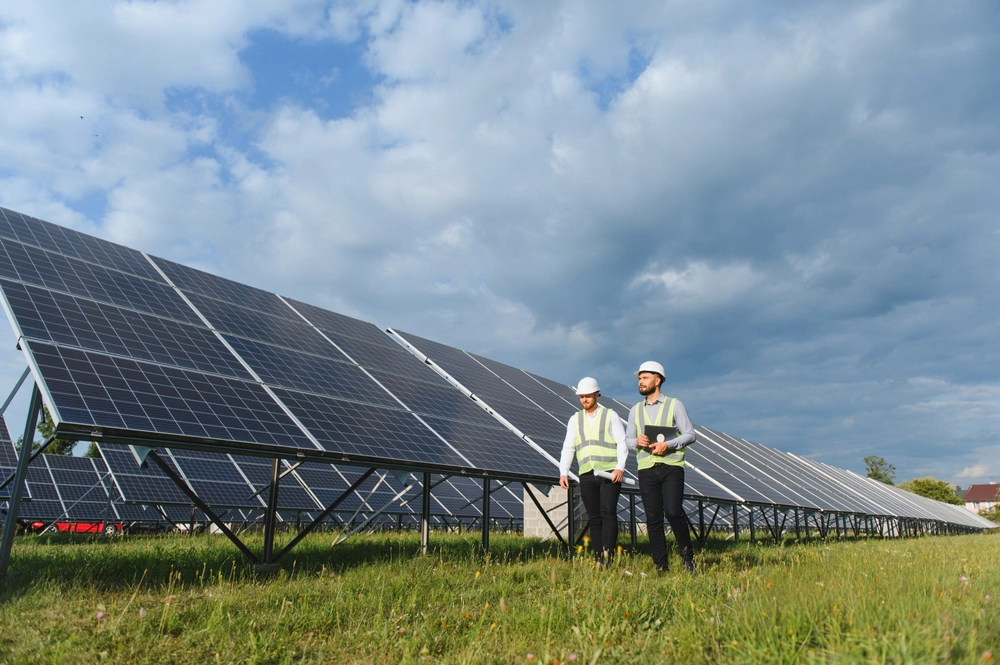
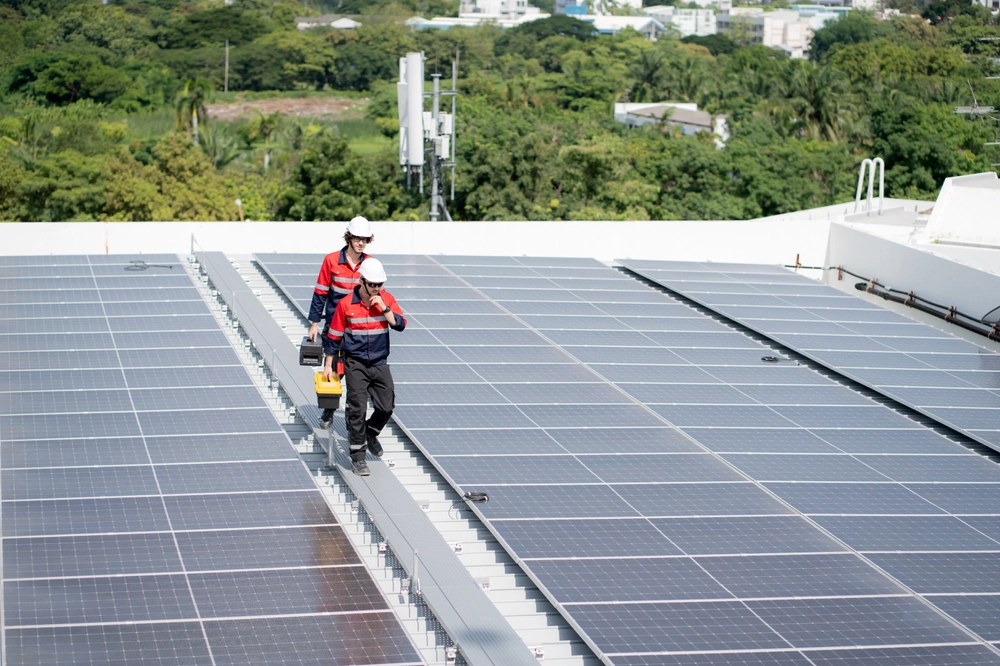
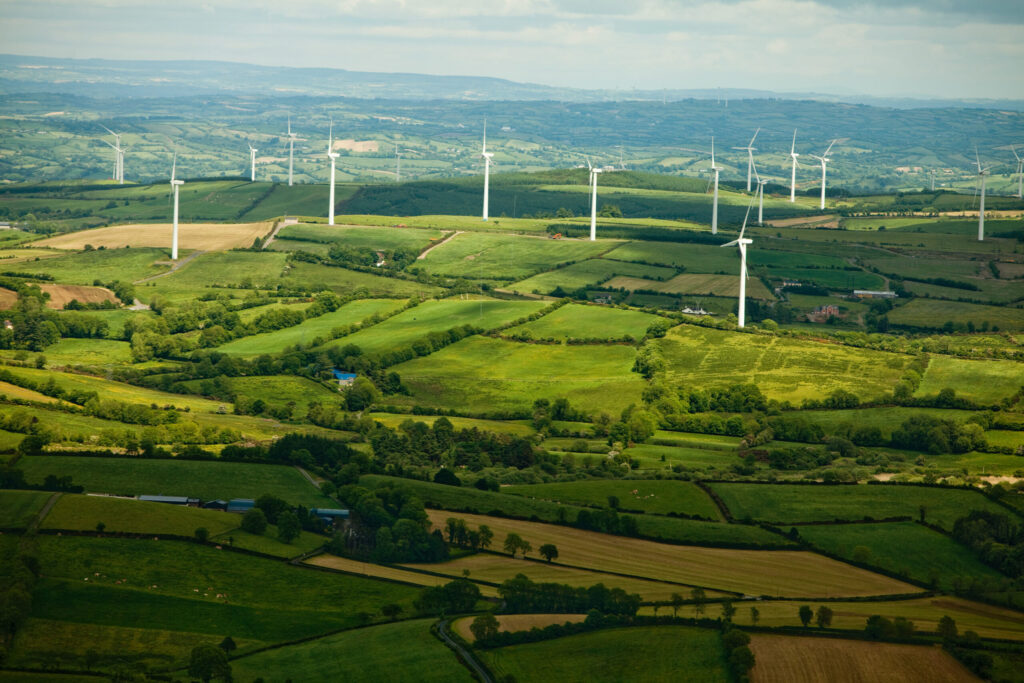
Eligible technology: The technologies eligible for support include onshore wind and solar PV, as well as hybrid projects that combine these technologies or incorporate battery storage.
For the first auction, the DfE has limited eligibility to mature, well‑established technologies capable of delivering clean electricity at the lowest possible cost to consumers.
Project status: Projects must be sufficiently progressed, including holding a valid planning permission, having an accepted grid connection offer, and demonstrating an appropriate level of financial commitment.
During the DfE's February 2023 ''Consultation on Design Considerations For A Renewable Electricity Support Scheme For Northern Ireland'' (Consultation), there was wide industry consensus for requiring both planning permission and a grid connection offer for a project to be eligible in order to reduce the risk of non-delivery or overly speculative bids.
Minimum capacity: The minimum project capacity is set at 5 MW. It is worth noting that during the DfE Consultation many stakeholders indicated a preference for lowering this threshold to 1 MW to enable broader participation.
With the minimum capacity size being 5MW, industry commentary questions whether there will be alternative routes to market for microgenerators or a separate support scheme. If these aren’t considered by the DfE, there is the possibility of an uptake in corporate power purchase agreements for microgenerators.
Existing sites: Existing sites will be eligible if they are fully repowering assets at end-of-life.
Community benefits: The DfE is exploring the feasibility of a community benefit framework, including the potential for discounted electricity bills for households and communities located near REPG‑supported projects. Suggested methods of delivery for this initiative are currently either through the socialisation of costs across electricity consumers or via direct developer contribution.
During earlier consultations, many stakeholders were concerned that the cost of funding community benefits could be reflected in bid prices. However, in the ''Government Response to the Consultation and Proposed High-Level Design'' (published on 9 April 2024), the DfE was of the view that communities hosting renewable energy projects should share in the benefits of the energy transition.
Auction Process
Auctions are expected to be held periodically (approximately every 1–2 years), subject to policy and market conditions, and will operate via a single technology-neutral pot structure. This differs from the structure set out in the ''Government Response to the Consultation and Proposed High-Level Design'' which proposed three separate pots for different technology types.
The maximum strike price will be technology-specific and will be disclosed ahead of each auction, and the clearing mechanism will operate on a pay-as clear basis. Under this approach, all successful projects are awarded contracts at the highest accepted bid price, encouraging developers to bid in line with their actual costs.
What are the contract terms?
Contract Term: The term will be for 15 years and will be adjusted by the amount of delay post the Delivery Date (defined below).
Reference Price: The reference price will be drawn from the SEM Day-Ahead Market (DAM) price.
Indexation: This will be index-linked to a general measure of inflation on an annual basis.
Metered Output: Payments will be made on the basis of loss-adjusted metered electricity.
Negative Prices: All support payments will be paused during periods of negative DAM prices.
Non-delivery Penalties: Financial penalties will be applied.
Timely Delivery Requirements: The Delivery Date is set to 2 years after contract signing and the Long Stop Date will be an additional year after the Delivery Date. With the first auction proposed to take place in 2027, this will mean projects awarded contracts after the auction are likely to be operational by 2029. This timeline and the possibility of auction delays have raised many questions within the industry as to whether the 80% target of electricity from renewable sources by 2030 can be achieved.
Dispatch Down Compensation: A full dispatch down compensation will be provided at the strike price for energy availability not converted to generation due to constraint or curtailment reasons.
Key Differences from the UK Contract For Difference (CfD) Scheme
Whilst the Northern Ireland REPG scheme has been 'inspired' by the UK CfD scheme, the local market conditions and policy objectives of both jurisdictions are unique, and there are some key differences in both schemes that are worth noting:
- Fewer technologies – The REPG is proposed to only cover onshore wind, solar PV and either of these collocated with Battery Energy Storage Systems.
- Less frequent auctions – The target for the first auction of the REPG is 2027 with a second auction closer to 2030, whereas UK CfD auctions now take place on an annual basis.
- One technology-agnostic auction pot in Northern Ireland – While there are strike price caps for each technology, the auction will clear for all technologies at a single strike price. The most cost-effective projects are therefore expected to win, regardless of technology. In the UK CfD, the auction is run separately for each technology, and therefore there is a different strike price for each technology. This difference in approach is understandable given the more limited technologies included.
- Curtailment: In the REPG, generators will continue to be paid at the strike price when the project is curtailed due to system constraints. This is to reflect the highly constrained grid in Northern Ireland. In the UK, however, curtailment risk sits with the generator – if the project is not exporting no CfD payment is due.
- Mandatory Community Benefit: The REPG intends to include some form of mandatory community benefit (for example reduced household bills for those near the project). An equivalent requirement does not feature under the UK CfD scheme.
Potential Impact
The Final Scheme Design does not represent the final contractual REPG terms and conditions, which are still being developed alongside the required legislation. However, the scheme is expected to provide greater stability and predictability for investors, thereby supporting increased investment into renewable energy projects in Northern Ireland. The REPG is expected to play a significant role in supporting the region’s net zero targets.
It must be noted, however, that the Northern Ireland Assembly has not yet passed the primary legislation required to implement the REPG (although this is anticipated to be passed this year). There is therefore a significant risk that legislative delays will result in the expected launch of the first auction in Q1 of 2027 being pushed back. The tight timeline for the scheme to be implemented in the target timeframes is therefore a concern for stakeholders intending to participate in the first auction.
If you are a developer operating in Northern Ireland or looking to expand your operations there, our lawyers can help you navigate the regulatory environment and explain what the REPG scheme may mean for your project.


Managing Associate
Energy & Infrastructure | Projects, Infrastructure & Construction
Bristol