Great British Grid: key legal and commercial implications


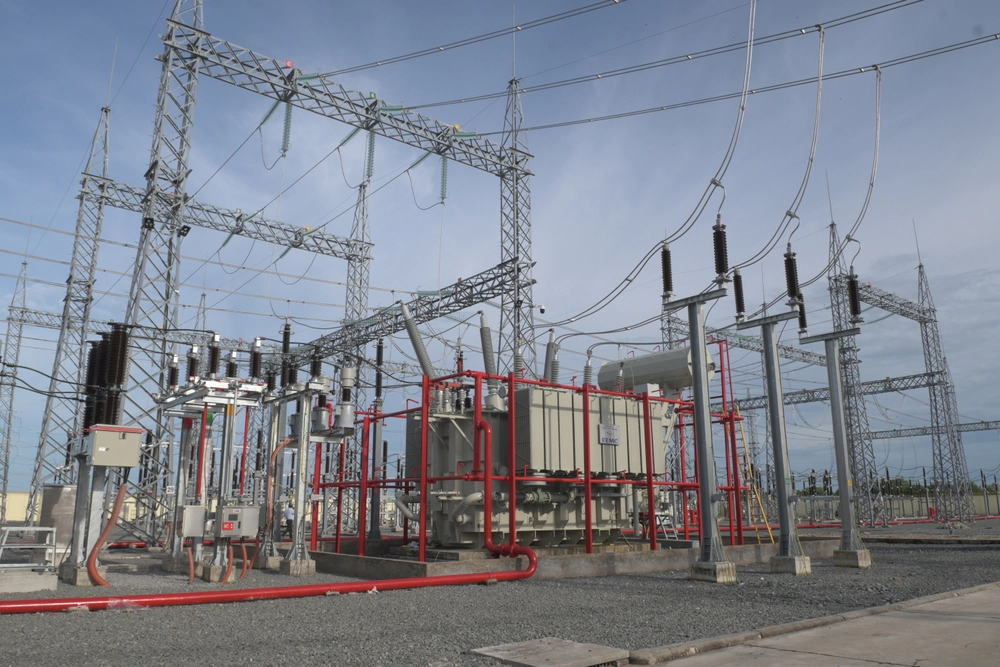
On 29 September 2026, the UK Government announced plans to establish Great British Grid ("GB Grid"), a new publicly owned body within Great British Energy intended to invest in electricity network infrastructure, accelerate grid connections and increase competition in the delivery of network projects.
The proposal is one of the most significant UK energy policy announcements of 2026 and reflects a growing recognition that grid infrastructure, rather than generation capacity, may now be the principal constraint on the UK's energy market.
For developers, investors, network operators, contractors and major electricity users, the proposal warrants close attention. If implemented as proposed, GB Grid could influence network procurement, connection arrangements, project financing and infrastructure delivery across the UK energy sector.
Why is the grid receiving so much attention?
The clean energy transition requires substantial reinforcement of both transmission and distribution infrastructure. At the same time, electricity demand is expected to increase significantly as transport, heating, manufacturing and digital infrastructure become increasingly electrified.
The Government's announcement comes against a backdrop of longstanding concerns regarding the pace of network expansion and the size of grid connection queues (for the latest see: Connections reform under scrutiny: Ofgem's assessment of progress and what comes next | Foot Anstey). In recent years, many generation, storage and industrial projects have found themselves facing lengthy waits to secure viable network connections.
The Government has already begun reforming the grid connection regime through measures being delivered alongside the National Energy System Operator (NESO) and Ofgem, including reforms to connection queue management and the removal of speculative projects from the queue. However, the Government's position is that regulatory reform alone will not be sufficient and that additional investment and delivery mechanisms are required to accelerate network build-out.
GB Grid is intended to provide an additional route for investment into strategically important electricity infrastructure.
What is GB Grid?
According to the Government, GB Grid will sit within Great British Energy (the publicly owned entity established in 2025 to invest in, develop and support renewable energy projects) and will work alongside, rather than replace, existing transmission owners and network operators.
GB Grid's stated objectives will include:
- increasing competition in network infrastructure delivery;
- accelerating electricity connection times;
- supporting strategic network upgrades;
- increasing investment in network infrastructure;
- facilitating self-build connection projects; and
- helping to reduce energy costs by addressing network bottlenecks.
The Government has emphasised that GB Grid is not intended to nationalise the existing electricity transmission system or displace private sector investment. Instead, it is being presented as a mechanism through which public capital can be deployed alongside private investment to accelerate the delivery of network infrastructure.
In practical terms, GB Grid appears likely to operate as an additional delivery and investment vehicle, focused on projects that support economic growth, industrial development and the transition to a lower-carbon electricity system.
The role of competition
One of the more interesting aspects of the proposal is its focus on increasing competition within network delivery. Historically, much network infrastructure has been delivered through established regulated network operators. The Government's proposal seeks to widen participation by allowing a broader range of organisations to compete for certain projects and by expanding opportunities for developers to construct connection assets themselves.
The Government has also indicated that it intends to accelerate competitive tendering arrangements for transmission infrastructure. Under this model, GB Grid would potentially compete alongside existing and new market participants for opportunities to deliver network projects. The rationale being that if more parties are capable of financing and delivering infrastructure, projects may be completed more quickly and at a lower overall cost.
The Government has pointed to international examples, including Ireland, where self-build connection arrangements have reportedly helped reduce connection times (by as much as 11 months). Whether those benefits can be replicated at scale within the UK remains to be seen.
Market/media reactions
Some industry participants have welcomed the proposal, particularly its focus on increasing competition and creating alternative routes to obtaining grid infrastructure. Critics, however, question whether the creation of a new public body will address the root causes of delay.
Many of the principal challenges affecting network delivery relate to planning approvals, environmental consenting, supply chain constraints, engineering capacity and workforce shortages rather than access to capital. There is therefore a legitimate question as to whether institutional reform alone can materially accelerate delivery.
Questions also remain regarding scale. While some media reports have referred to figures in the region of £4 billion, the Government has not yet committed to a long-term funding settlement for GB Grid and has indicated that future funding arrangements will be considered through future spending reviews.
Key Legal and Commercial Implications
From a legal and commercial perspective, the proposal raises a number of important issues.
If GB Grid is empowered to compete for network projects, new procurement frameworks and tendering arrangements are likely to emerge. Developers, contractors, investors and infrastructure funds will wish to monitor carefully how projects are allocated, how competition is structured and how publicly backed bidders interact with established market participants. Questions may also arise regarding subsidy control considerations, competitive neutrality and the treatment of public investment within regulated markets.
The proposed expansion of self-build connection rights could create new contractual structures and risk allocation arrangements between project developers, network operators, contractors and public sector co-investors. Developers may benefit from greater control over connection delivery, but this could also require them to assume responsibilities traditionally carried out by network operators.
Particular attention is likely to be required in relation to interface risk, asset adoption processes, technical standards and programme coordination.
Lenders and investors will require clarity regarding ownership arrangements, operation and maintenance responsibilities, revenue mechanisms and regulatory treatment. The extent to which GB Grid participates as an investor, funder or project sponsor may significantly influence financing structures and bankability considerations.
The proposal will need to operate alongside the respective roles of Ofgem, NESO and existing licensed network operators. Important questions remain regarding governance, accountability, decision-making powers and the interaction between GB Grid and the existing regulatory framework. Further legislative and regulatory detail is therefore needed before stakeholders can attempt to assess the potential impact of this policy.
Looking Ahead
The announcement of GB Grid reflects a growing consensus that electricity network infrastructure has become one of the most critical enablers of both the UK's clean energy transition and its economic growth agenda.
GB Grid could become a pragmatic mechanism for unlocking additional investment, introducing competitive pressure and accelerating network delivery. However, critics might argue that it risks creating additional institutional complexity without addressing the planning, workforce and supply chain constraints that underpin many existing delays.
As is often the case, the reality is likely to depend on the detail. The effectiveness of GB Grid will ultimately be judged not by its structure but by its ability to deliver infrastructure more quickly, unlock new connections and support economic growth.
For developers, contractors, investors and major electricity users, the proposal represents a potentially significant evolution of the UK's energy infrastructure landscape. Businesses with projects dependent upon grid capacity should therefore monitor developments closely as the Government publishes further detail on how GB Grid will operate in practice.
Our Energy team advises and supports clients with achieving their aims across the full lifecycle of energy projects. Please do get in touch if you would like to discuss how we can support your business in this sector.
Get in touch


Managing Associate
Energy & Infrastructure | Projects, Infrastructure & Construction
Bristol


Associate
Commercial Energy | Energy & Infrastructure | Projects, Infrastructure & Construction
Bristol