A new era for licence‑exempt supply: P442 and Class A guidance updates

The landscape for licence‑exempt electricity supply has evolved significantly following Ofgem’s approval of Balancing and Settlement Code (BSC) modification P442 and the UK Government’s updated guidance on Class A supply exemptions. These developments, introduced between 2025 and early 2026, are designed to simplify compliance, improve reporting accuracy and, crucially, enhance market access for smaller generators seeking to participate in certain power purchase agreement (PPA) structures.
Which generators stand to benefit?
A broad range of smaller‑scale, decentralised renewable generators are well‑positioned to take advantage of both the updated guidance and the P442 reforms. Likely beneficiaries include:
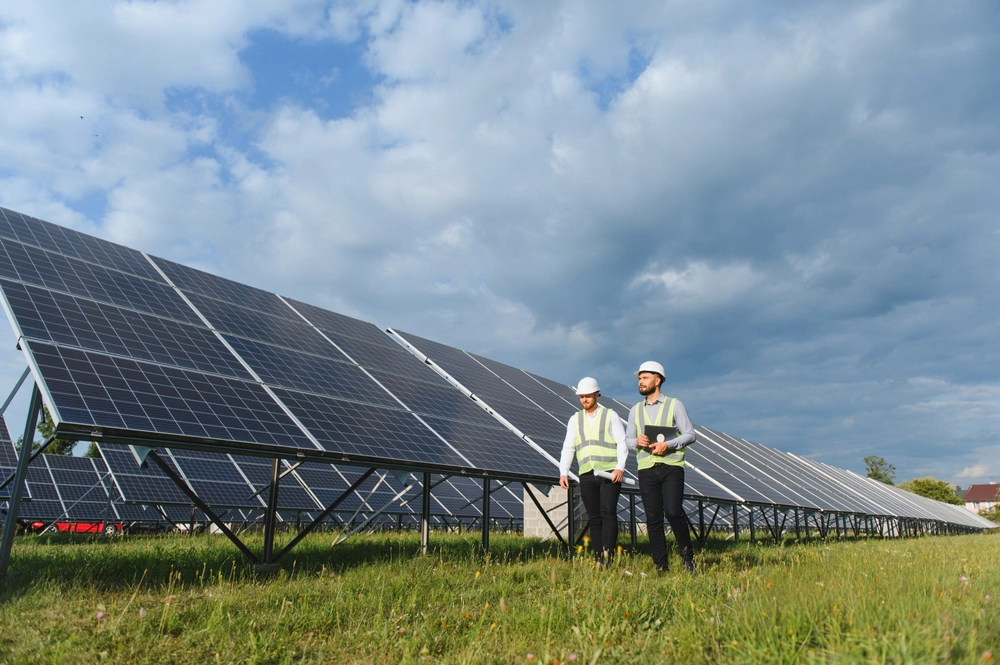
- Smaller solar, onshore wind, hydro, and anaerobic digestion plants, particularly those producing below the 5MW threshold.
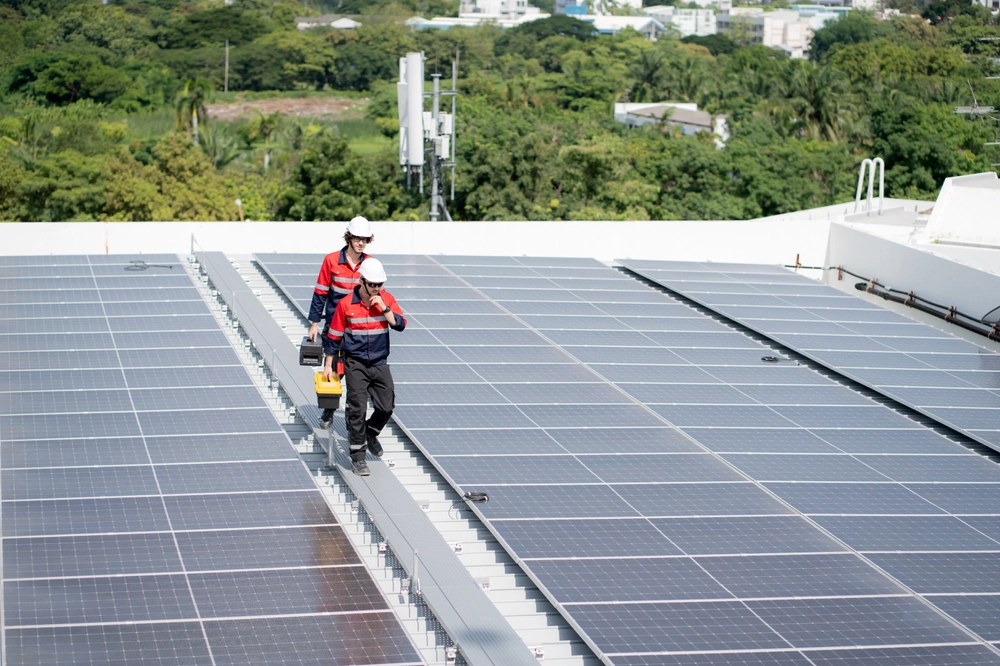
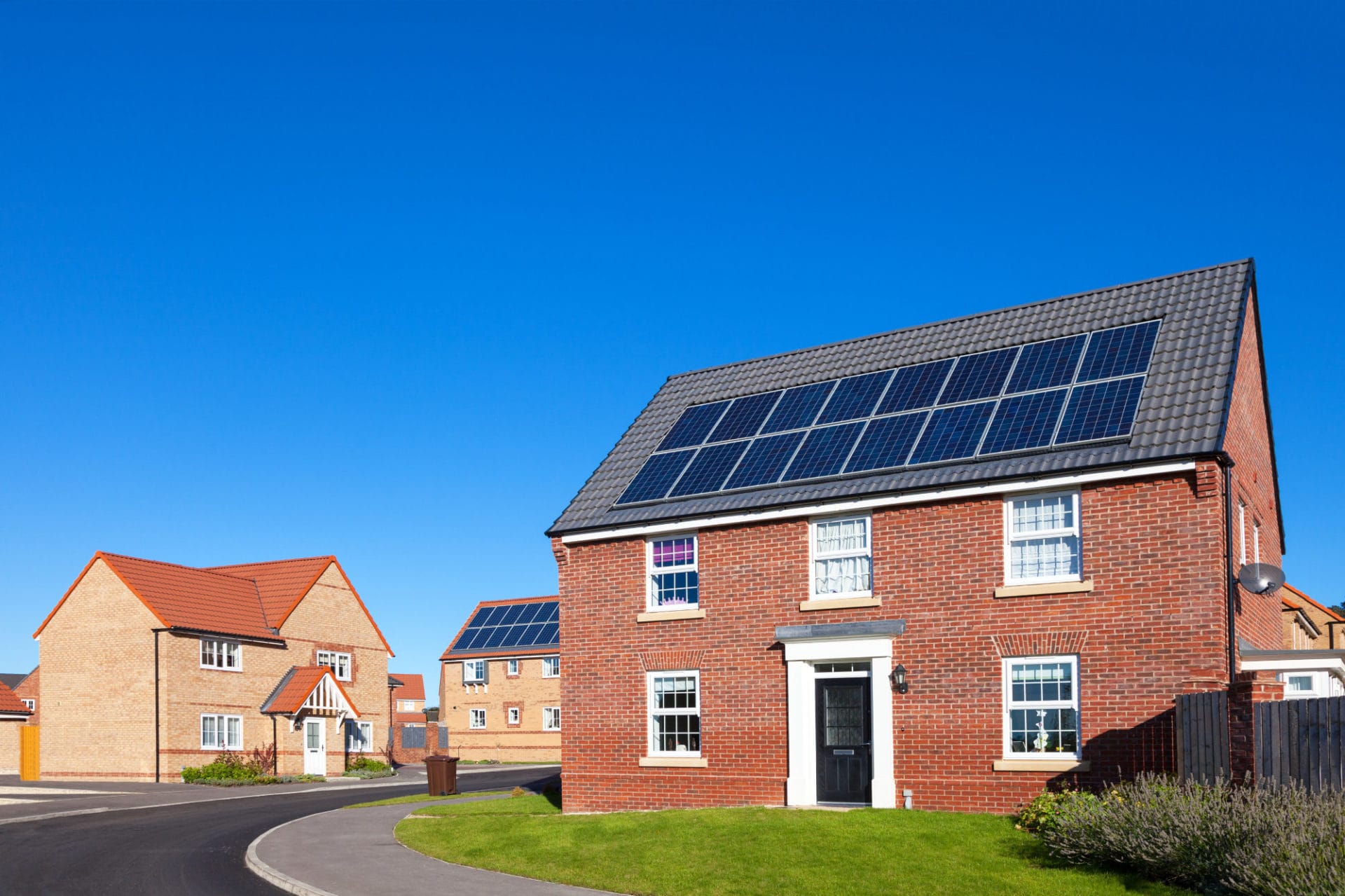
- Commercial rooftop solar installations seeking to supply local businesses or participate in behind‑the‑meter PPAs.
- Community energy schemes, which often operate at sub‑5MW scale and rely on simplified regulatory pathways to support local supply models.
- Private‑wire and embedded generation sites, where the P442 ESNA framework helps simplify reporting of exempt volumes while opening a path to corporate sleeving opportunities.
By reducing reporting friction, clarifying exemption requirements, and aligning settlement processes with modern energy‑market practices, these reforms collectively make it easier for small generators to monetise their output through direct commercial relationships.
Updated DESNZ guidance following P442 approval
In late 2025, Ofgem signalled that DESNZ would be issuing refreshed guidance on Class A supply exemptions, prompted by ongoing stakeholder queries and regulatory changes in licence-exempt supply reporting following BSC modification P442. This update accompanies Ofgem’s broader programme of aligning the BSC with Electricity Market Reform (EMR) regulations—particularly as they relate to exempt versus licensed supply.
DESNZ confirmed in January 2026 that new guidance on Class A supply exemptions had been added to the licence exemptions guidance (Electricity generation, distribution and supply licence exemptions: frequently asked questions (FAQs)). This guidance aims to improve clarity on exemption limits, qualification criteria and the scope of permitted supply activities under the Electricity Act 1989 and the Class Exemptions Order 2001 particulary regarding Class A supply exemptions. Key points include:
- Definition of the Class A small supplier exemption: The exemption applies where total supplied electricity does not exceed 5MW, of which no more than 2.5MW may be supplied to domestic consumers. The guidance clarifies that this limit only applies to the amount supplied – additional generation could be consumed on-site, for example.
- Eligible generation technologies: The Class A exemption is technology neutral.
- Combination with other licence exemptions: The Class A exemption can be used alongside generation and distribution licence exemptions.
- No pre‑approval required: DESNZ does not provide bespoke advice or pre‑confirmation of eligibility for a class exemption; operators must self‑assess against the statutory criteria.
These clarifications are particularly important for organisations seeking to structure supply arrangements legally and efficiently, including those participating in corporate sleeving arrangements.
Summary of BSC modification P442: Introducing ESNAs and unlocking corporate sleeved PPA access
BSC modification P442, approved by Ofgem in May 2024, modernised the treatment of licence‑exempt supply within the BSC. It ensures exempt volumes are excluded from EMR‑related charges that apply only to licensed suppliers, which include CfD and capacity market levies, bringing the BSC into alignment with EMR regulations. These charges can be significant and significantly alter project economics for those generators that can participate in licence-exempt supply.
In practical terms, the July 2025 introduction of P442 replaced the previous manual, Elexon‑administered process with a structured, third‑party system using an Exempt Supply Notification Agent (ESNA). ESNAs now:
- validate and match generation and consumption data,
- submit exempt‑supply information to the EMR delivery body under the new rules, and
- ensure compliance with reporting obligations in a formalised, transparent way.
Why this matters for corporate sleeved PPAs
Because P442 removes administrative blockers and clarifies reporting pathways, licence‑exempt generators, particularly smaller ones, can now more readily participate in corporate sleeving arrangements without triggering disproportionate compliance burdens. The introduction of ESNAs effectively professionalises and streamlines the data‑handling requirements that previously deterred smaller players.
The regulatory shift, therefore, supports a more accessible and scalable exempt‑supply market, enabling small generators to contract with commercial energy users more easily and at lower cost.
Conclusion
The combination of DESNZ’s updated Class A guidance and the implementation of P442 marks an important step in making licence‑exempt supply more accessible, transparent and economically viable. For generators and corporate consumers alike, these developments expand opportunities to engage in cost‑efficient renewable energy arrangements, including corporate sleeved PPAs.
We regularly advise clients on electricity licence requirements and exemptions, so please get in touch if you would like to find out more.
Get in touch

Managing Associate
Energy & Infrastructure | Projects, Infrastructure & Construction
Bristol