UK nuclear industry developments: Key policy and strategic shifts in 2026

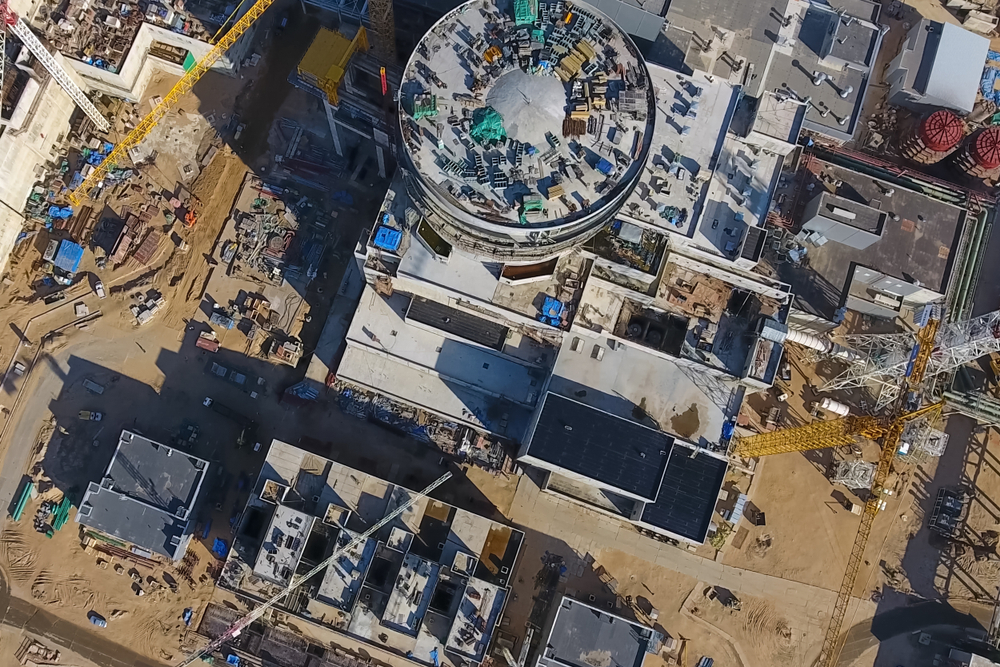
As anticipated in our previous article, the beginning of 2026 has been a significant period for the UK’s nuclear sector. Against a backdrop of energy security concerns, net‑zero commitments and long‑standing delivery challenges, the Government has, in addition to project‑specific support, firmed-up its intention to introduce system‑wide reform across nuclear regulation, decommissioning and future technologies.
Taken together, developments so far in 2026 point to a more integrated and interventionist approach by the Government, which will position nuclear energy as a core pillar of national infrastructure, industrial strategy and long‑term energy resilience.
February 2026
In February 2026, the Nuclear Decommissioning Authority (“NDA“) published its latest Nuclear Decommissioning Strategy, setting out a refreshed long‑term framework for addressing the UK’s nuclear legacy. The strategy is effective from March and follows extensive public and stakeholder consultation.
The updated strategy reaffirms that decommissioning the UK’s earliest nuclear sites represents one of the most complex environmental and engineering programmes globally, extending across several decades. While the emphasis on safety and environmental stewardship remains unchanged, the new strategy places greater weight on integration and collaboration across the NDA group (including knowledge sharing) and prioritisation of critical works (such as works required at Sellafield), particularly where activities can deliver the most significant hazard reduction benefits.
Four strategic themes continue to underpin the mission:
- site decommissioning and remediation;
- spent nuclear fuel management;
- long‑term stewardship of nuclear materials such as plutonium and uranium; and
- integrated radioactive waste management.
This renewed focus is significant not only for legacy clean‑up, but also for ensuring the credibility of the wider nuclear programme. Effective decommissioning is increasingly recognised as a critical enabler of public trust, regulatory confidence and future nuclear development.
March 2026
In March 2026 the Government announced its commitment to implement all of the recommendations of the Nuclear Regulatory Taskforce’s (“NRT“) review of the nuclear regulatory framework, which was published in November 2025. The review concluded that existing processes had become overly complex, duplicative and insufficiently focused on real‑world risk.
The reforms proposed by the NRT aim to:
- streamline environmental and planning approvals;
- reduce unnecessary regulatory duplication;
- adopt a more proportionate, risk‑based regulatory approach; and
- shorten delivery timelines while maintaining high standards of safety and environmental protection.
The Government has been explicit that these changes are intended to support civil and defence nuclear projects, including: large‑scale new build; Small Modular Reactors (“SMRs(s)“) and decommissioning activities.
Importantly, the recent announcement framed regulatory reform as an economic and strategic necessity rather than a deregulatory exercise, linking faster nuclear delivery directly to energy security, cost reduction and resilience to volatile global fossil fuel markets.
Alongside reforms to existing nuclear systems, the Government has also taken a major step in shaping the long‑term future of nuclear energy. In March 2026, the Government launched its Fusion Energy Strategy, positioning the UK as the first country to set out a clear and credible pathway to commercial fusion power.
The strategy builds on decades of UK leadership in fusion research and commits more than £2.5 billion over five years to research, development and commercialisation activities. Central to the programme is the “STEP” (Spherical Tokamak for Energy Production) prototype power plant at West Burton in Nottinghamshire, with construction expected to begin from 2030 and completion targeted for 2040.
Key elements of the strategy include:
- a £200 million construction partner contract for STEP;
- development of a market framework to support private investment in fusion;
- investment in advanced computing capability, including a fusion‑dedicated AI supercomputer; and
- measures to grow skills and supply chains, with over 10,000 jobs projected by 2030.
While fusion remains a medium‑to‑long‑term prospect, the publication of a detailed commercial strategy signals a shift in approach: fusion is no longer treated solely as a scientific endeavour, but as a future energy system asset with industrial, economic and geopolitical significance.
April 2026
In April 2026, Rolls‑Royce SMR signed a landmark agreement with Great British Energy – Nuclear, providing the contractual framework for the deployment of the UK’s first SMRs at Wylfa in North Wales. This agreement enables site‑specific design, regulatory engagement and the ordering of long‑lead components, marking the clearest signal to date that SMRs are transitioning from concept and competition into implementation.
A more coherent nuclear policy landscape
Developments since the beginning of 2026 suggest that the UK Government is seeking to align present‑day delivery, legacy management, and future technology within a single, coherent nuclear narrative.
The publication of the NDA’s refreshed decommissioning strategy underscores a continued commitment to safely addressing the past, while regulatory reform aims to remove structural barriers that have historically constrained new nuclear projects. At the same time, the Fusion Energy Strategy demonstrates an ambition to secure long‑term leadership in next‑generation nuclear technology.
Together, these measures mark a shift away from piecemeal intervention and toward a strategic, whole‑system approach to nuclear energy - one that is likely to shape investment decisions, regulatory practice and infrastructure delivery in the future.
Our full-service, multi-disciplinary team of nuclear energy lawyers advises and supports clients with achieving their aims across the full lifecycle of projects in the nuclear industry. Our specialist nuclear practice is built on the expertise and quality of our lawyers, coupled with our sector knowledge, which really sets us apart. Please do get in touch if you would like to discuss how our energy law team can support your business in this sector.
Get in touch

Partner
Head of Energy & Infrastructure | Projects, Infrastructure & Construction | Real Estate
Bristol


Partner
Energy & Infrastructure | Projects, Infrastructure & Construction | Real Estate
Bristol

Associate
Commercial Energy | Energy & Infrastructure | Projects, Infrastructure & Construction
Bristol