Powering ahead: Five energy trends UK businesses should watch in 2026
12 Feb 2026 |
9 minute read

2026 will be a year of execution. After two years of policy design and market debate, the UK is moving from what to how: unlocking grid capacity, reforming charging signals, and channelling private capital into clean energy projects, innovative energy procurement structures and smart distributed energy solutions. Below we highlight five trends we expect to define the UK clean energy landscape in 2026 and beyond, and what they mean for businesses, developers and investors.
In the coming weeks, we will be releasing a series of follow-up articles looking at these issues in more detail. If you would like to receive these please sign-up to our mailing list below. Our energy experts will also be speaking at our upcoming PowerUp event in Manchester - we’d love for you to join us. Register now to secure your place.
Grid connections: from access to strategy
Grid access remains the single most critical constraint on energy projects in Great Britain, and the Gate 2 to Whole Queue Process ("G2TWQ") was seen as a huge step towards unlocking capacity for projects that were 'ready' and 'strategically' aligned to the Government's net zero ambitions (as outlined in the Clean Power 2030 Plan).
The G2TWQ process has now largely concluded, with, in some cases, unexpected results. Those developers, who have managed to secure a Gate 2 Offer, will now turn their attention to project delivery. Those, who have only secured a Gate 1 Offer will be re-assessing their existing pipeline and considering the possibility of applying at the next gated application window. NESO latest updated timeline (December 2025) indicates that the next window will open "no earlier than Q2 2026". At the same time NESO made small updates to the core methodologies ("Gate 2 Criteria Methodology" and the "Connections Network Design Methodology") to reflect the process improvements communicated in November 2025 and prepare customers for the annual review of the methodologies. NESO anticipates consulting on more material changes to the methodologies "early in 2026". We anticipate that such revised methodologies will apply to the next gated application window.
Customers wishing to apply to the next gated application window need to review NESO's "Connections Reform Detailed Results Data", which was published in January 2026. As expected, there is no available capacity for Battery Energy Storage Projects ("BESS"). There is still capacity for LDES projects (161.5 MW) and solar projects (416.5 MW).
However, this may all change through project attrition or changes in the Government's strategic direction, through the publication of the Strategic Spatial Energy Plan ("SSEP"). The SSEP (which is due to be published by the end of 2026) is intended to be the Government's blueprint on the right type of energy mix and the right location for the selected technologies that come into the mix for the period from 2035 to 2050. The SSEP is underpinned by a clear intention to support energy security (through home grown energy), stimulate private sector investment and support a just transition as the UK moves towards Net Zero.
At the same time, demand customers (such as housebuilders and developers of large commercial developments) were already experiencing grid constraints in 2025. This is bound to continue in 2026, with the Government signalling support for large commercial developments (such as data centres and freeports). A recent call for evidence on demand connections signals that a gated or prioritised process for demand may be on the horizon - a significant shift from the historical assumption that demand would always be accommodated.
In 2026 (and beyond), whether you are a generation or demand customer:
- Connection strategy becomes a key aspect of the development of projects; it is no longer an afterthought, but a precursor to investment;
- Understanding what 'strategic alignment' means in the context of the Clean Power 2030 Plan (and the SSEP in due course) will become a key differentiator between projects;
- Timing, sequencing and optionality in connection agreements ('firm' vs 'non-firm') connection will matter as much, as the connection itself.
The end of the full-wrap EPC
We had already noticed a shift from full-wrap EPC contracts for clean energy projects in 2025, but we anticipate that this will become the new norm for projects going into construction in 2026 and beyond. A split contracting approach allows employers to optimise their procurement strategy, leading to considerable costs' savings compared to a full-wrap EPC contracting approach. A customer managing multiple works' packages will need to carefully consider ways to mitigate interface risk, either through robust contract management or through carefully drafted interface agreements.
In anticipation of supply chain pressures and with the post-grid reform connections' landscape remaining unsettled, there will be increased emphasis on risk allocation, including for supply chain disruption and grid delays. At the same time, in 2026 we will see a renewed emphasis on ESG commitments, which will be reflected through robust supply chain management and reporting obligations through the EPC contract.
In 2026 (and beyond) developers (and investors) operating in this market need to note that:
- Price certainty is important, but never absolute; contractors are likely to seek relief for grid delays, change in law and supply chain volatility;
- Grid and permitting risk need to be explicitly addressed in the contract (and not under the guise of force majeure);
- Programme is as important as price (delay liquidated damages is a tool to get the contractor to conform to the programme);
- ESG obligations are no longer an after-thought;
- Bankability should be at the heart of any negotiation; and
- EPC contracts do not operate in a project vacuum (consideration of the overall project and its outputs is key at the outset).
Market reform uncertainty will continue
In 2025 conversations with clients focussed heavily on REMA (Review of Electricity Market Arrangements) and the impact of zonal pricing on existing arrangements (particularly corporate power purchase agreements).
Whilst the Government's decision to retain a single national wholesale electricity price has removed some of the uncertainty, it has not necessary removed all risk. The "reformed national pricing" comprises of a number of different aspects, including the SSEP, reforms to the transmission network and connection charging methodologies, improvements on curtailment management, improvements on grid connections and improvements of the balancing and settlement arrangements. All of these reforms will take time to be worked through and implemented. Particularly as regards the reform to the transmission network use of system charges ("TNUoS") the Government anticipates to have concluded this process by 2029 (three years from now).
For developers and investors, this creates a new set of challenges, as location decisions taken today need to be assessed against various charging scenarios; without such rigorous stress-testing, these decisions may look completely different once the reforms have been implemented.
From volume to value: technology mix and integration
The UK renewable energy landscape in 2026 reflects a market that has moved decisively beyond first‑generation build‑out. While new capacity continues to be added, the defining feature of the current technology mix is not scale alone, but integration: integrating storage with generation and digital tools with physical assets. This has direct consequences for project structuring, contracting strategies and risk allocation.
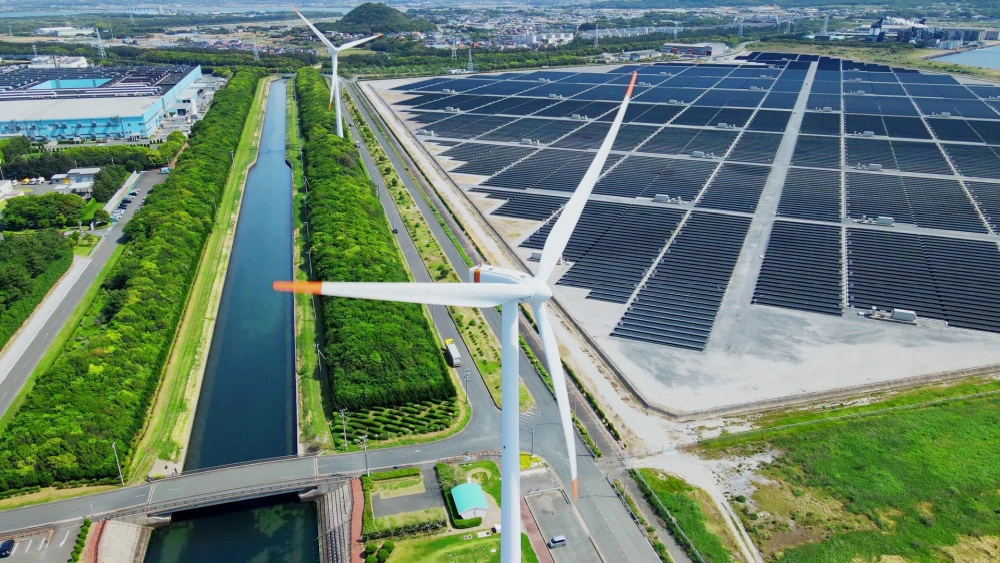
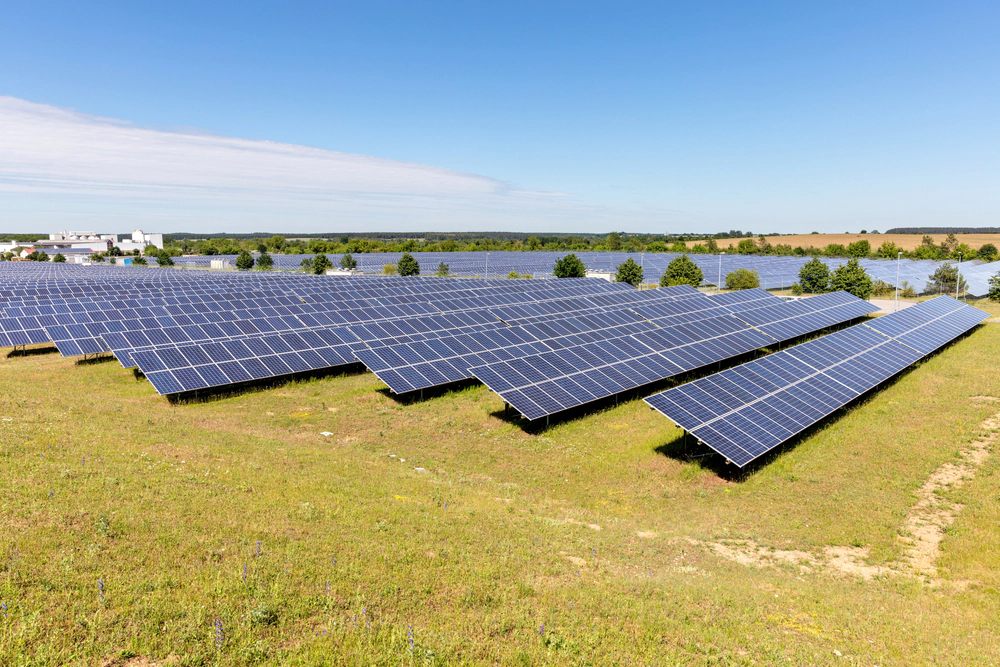
In 2026, solar remains the most rapidly deployable source of new capacity, but this will rarely stand alone. In the past two years, co-location with BESS has become the norm and this is expected to continue in 2026 and beyond.
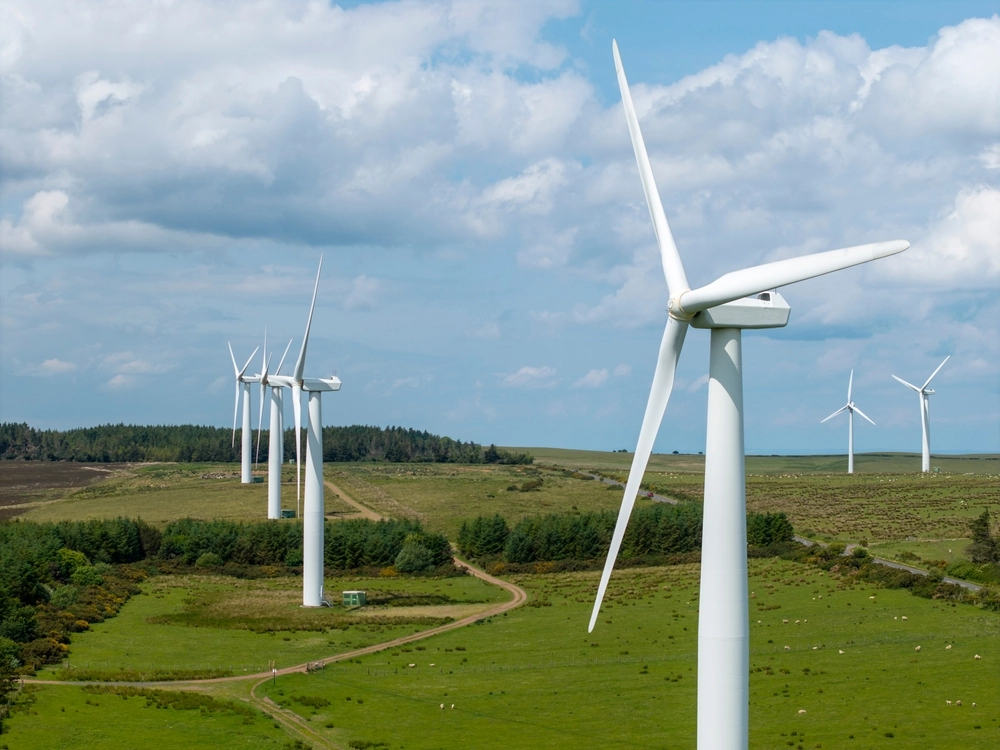
Offshore wind remains at the heart of the UK's national energy policy. Whilst the removal of the de-facto ban for onshore wind in England has created new opportunities, there has been limited activity so far. In the short term we expect the focus to be on re-powering of existing wind turbines.
Hydrogen still has a place in the UK's energy mix, but its role will be confined to industrial clusters and heavy transport. The decarbonisation of heat continues to rank high on the Government's agenda, along with a renewed emphasis on the electrification of transport.
Private wire and behind‑the‑meter solutions go mainstream
On-site generation and private-wire arrangements are nothing new for the UK energy market. They increased in prominence in 2022, as a result of a significant spike in wholesale electricity prices, but whilst electricity prices have started to stabilise in the past two years, these arrangements will continue to be popular in 2026.
Analysis conducted by Cornwall Insights indicates that in 2026 non-commodity costs will reach 60% of a businesses' electricity bills. Businesses wishing to avoid (or mitigate) such costs will look at alternative options for procuring electricity, which may include on-site generation or a private wire arrangement with a generating asset located near the business' site. Coupling on-site generation with behind-the-meter storage allows a business to maximise the potential of the energy generating asset.
At the same time, to address grid constraints, whilst advancing the net zero agenda, developers of large commercial developments (such as science parks and university campuses) are considering the incorporation of private wire networks in such developments. Such networks incorporate different generation and storage technologies (for instance, small wind turbines, rooftop solar pv and battery energy storage), along with electric vehicle charging in a manner that allows such assets to operate flexibly, maximising the value for the end customer.
For energy intensive users where electricity is a key business input, being able to access such innovation will be key in remaining competitive in their individual markets. In 2026 energy independence becomes a key driver for investment decisions. And in making sound investment decisions a clear understanding of the legal issues that arise in these structures is key. From regulatory questions to asset ownership and long-term risk allocation, these are questions that the directors will need to address prior to adopting one of these structures.
Asset consolidation
Investor uncertainty and market reform have resulted in funding constraints, meaning that not all projects that have secured a Gate 2 Offer can also proceed to realisation. As a result, in 2026 we will see further market consolidation (continuing the 2025 trend), with ready-to-build assets with pre-2030 connection dates attracting most interest.
For investors looking to acquire projects, robust technical and legal due diligence, particularly on the grid position, applicable securities and progress towards the achievement of queue management milestones will be key. For sellers looking to dispose of projects (either through an asset sale or a share sale), ensuring that all project rights are held by the right entity, that all relevant contracts are still in effect and being clear on the grid connection status of the project, will be key in achieving the desired project value.
Asset optimisation
In conversations with clients, it is increasingly apparent that looking after existing generating assets is, as important, as acquiring new assets in Q1 and Q2 of 2026. For clients managing large portfolios of assets, being able to quickly and cost-effectively optimise performance will be key in realising revenues in 2026. In this context, AI can play a significant role in collating and assessing a plethora of data from different sources, monitoring near real-time asset performance and anticipating issues.
This in turn raises significant legal questions around the ownership and use of data, the manner in which a client interacts with a potential supplier and the supplier's ability to incorporate AI products in its services. Identifying the right provider and having these conversations upfront means that organisations can adopt a coherent strategy in delivering their strategic objectives.
Looking ahead
2026 will not be the year that grid constraints disappear or electricity costs fall away. But it will be a year where an understanding of the market and strategic business positioning matters more than ever.
Those businesses that understand:
- How grid reform affects both supply and demand,
- How alternative energy solutions can mitigate risk,
- How capital is moving across the sector,
will be best placed to navigate, and benefit from, the next phase of the energy transition.
We can help you be that business, so get in touch to discuss what we can do for you.
Get in touch



Principal Director
Commercial Property and Asset Management | Development Projects | Energy & Infrastructure

Stay up to date with our latest insights
Related




Articles