New Biodiversity Net Gain exemptions from August 2026: What developers need to know

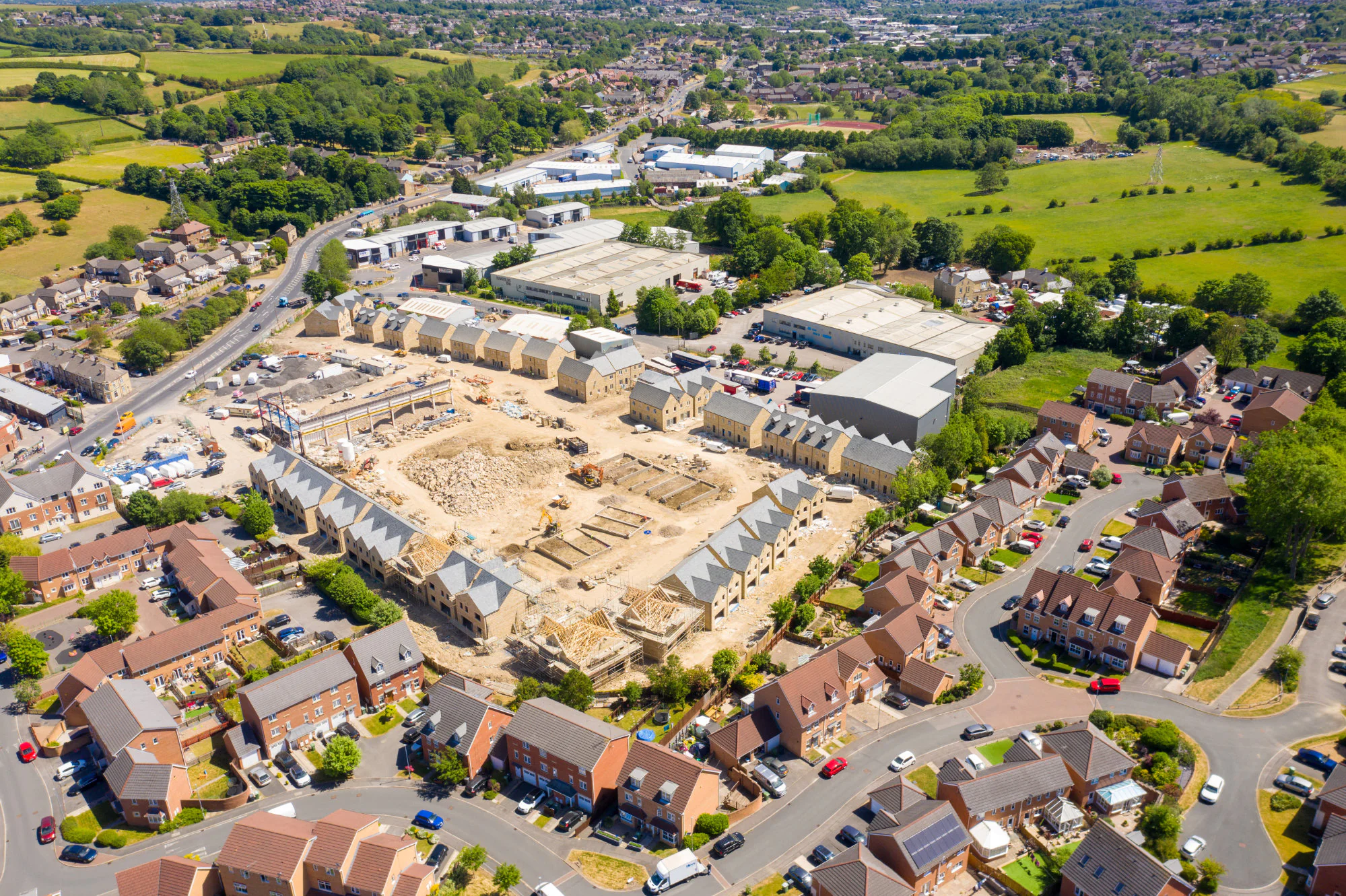
The Government has introduced further amendments to the biodiversity net gain (BNG) regime, with changes taking effect from 6 August 2026. The reforms substantially reduce BNG requirements for many smaller developments by introducing a new small-sites exemption and relaxing the requirement to prioritise on-site biodiversity enhancements. For developers bringing forward smaller sites, these changes are likely to reduce complexity, compliance costs and programme risk.
Biodiversity Gain Hierarchy
Under the current framework, applicants must demonstrate that opportunities to enhance on‑site habitats have been maximised before relying on off‑site biodiversity units to achieve the required net gain.
From 6 August, this on‑site‑first requirement will apply only to major development. Major development includes mineral and waste schemes, 10 or more dwellings, housing sites of 0.5 ha+, 1,000 sqm+ floorspace, or sites of 1 ha+.
For non-major development, the hierarchy will no longer need to be applied. Applicants will be able to meet the biodiversity gain requirement through off-site units without evidencing that on-site enhancement is not achievable.
In practice, this may provide greater flexibility for developers of constrained sites, particularly in town and city centres where on-site habitat creation can conflict with viability, design or density objectives.
Small sites exemption & temporary permissions
The amendments introduce a new exemption for non‑major sites of 0.2 hectares or smaller, provided the development does not affect priority habitats. These sites will not be required to deliver BNG.
The government has decided, as result of introducing the small sites exemption, that the current exemption for self-build and custom build housing will be withdrawn. In practice most self-build and custom build developments will fall within the new small sites exemption.
By way of example, a small residential infill scheme on previously developed land may now fall outside the BNG regime altogether, provided the relevant qualifying criteria are met.
Temporary planning permissions granted for five years or less (including any previous temporary periods for the same development) are also exempt, again subject to the protection of priority habitats.
These changes are expected to reduce compliance costs for SME developers and streamline delivery of minor schemes.
Developers should note that a BNG exemption does not remove the need to consider other ecological constraints, including protected species, statutory site protections and relevant local planning policies.
Transitional arrangements
The existing BNG rules will continue to apply where:
- an application for planning permission is submitted before 6 August 2026, or
- in the case of section 73 applications, the original application was submitted or the permission granted before that date.
Applicants should therefore take care to identify which regime applies to their project, particularly where applications are already in progress or where variations under section 73 are anticipated.
Market and policy commentary
The relaxation of requirements for small sites and non‑major development will be welcomed by SME developers and landowners, particularly those operating in areas where on‑site enhancement is impractical.
Environmental organisations have expressed concern that the reforms may disproportionately affect urban and deprived communities, where opportunities to deliver on-site biodiversity enhancement are already limited. They also argue that the changes could reduce habitat creation opportunities on development sites and slow progress towards wider nature recovery objectives.
The Government’s position is that the reforms strike a balance between environmental ambition and proportionality for smaller schemes. The longer-term effect on biodiversity unit pricing, supply and market confidence remains uncertain and will be closely monitored by developers, landowners and habitat bank operators.
While the reforms represent a significant relaxation of BNG requirements for smaller developments, they are unlikely to alter the approach to major schemes, where the biodiversity gain hierarchy will continue to apply. Developers preparing applications over the coming months should review carefully whether they fall within the scope of the new exemptions and transitional provisions.
How Foot Anstey can help
Foot Anstey advises on a broad range of natural capital schemes, including biodiversity net gain. Our specialist teams in real estate, infrastructure, planning, tax and succession are highly experienced in supporting clients through every stage of a BNG project — from early land assessment and strategy, securing on‑site habitat enhancements through a section 106 agreement or conservation covenant, to reserving and completing transactions for biodiversity unit sales.
Get in touch


Partner
Development Projects | Environmental Issues | Environmental, Social & Governance (ESG)
Bristol