Intellectual property and the FIFA World Cup 2026

The FIFA World Cup 2026 , hosted jointly by the US, Canada and Mexico is the larget FIFA World Cup in history, featuring 48 teams and 104 matches. The global spotlight has once again turned to the power of sporting brands. Beyond the spectacle on the pitch, the tournament represents one of the most valuable collections of intellectual property (IP) assets in global sport. FIFA's trade marks, copyrights, broadcasting rights and licensing programmes generate significant commercial revenue and are central to the tournament's business model.
As a result, intellectual property protection is a critical aspect of World Cup organisation with FIFA investing substantial resources in safeguarding its brands and enforcing its rights worldwide.
What IP is involved?
The FIFA World Cup 2026 is protected through several forms of intellectual property.
Trade Marks
FIFA owns and controls a wide range of registered trade marks associated with the tournament. These include:
- FIFA
- FIFA World Cup 2026
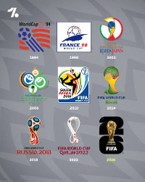
- Official tournament logos and emblems
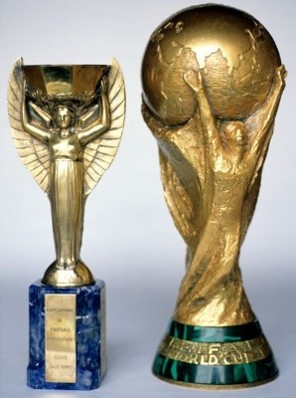
- The FIFA World Cup Trophy
- Official mascots and slogans
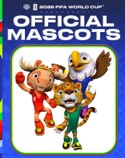
- Host city branding and other official marks
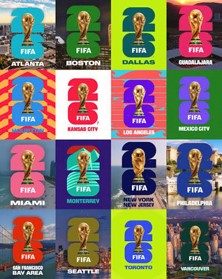
These trade marks distinguish official FIFA products, services and sponsorships from unauthorised uses. FIFA actively monitors the marketplace to prevent organisations from suggesting a false connection with the tournament.
Copyright
Copyright protects match broadcasts, official photographs, videos and highlights, tournament graphics, digital content and promotional materials.
Unauthorised reproduction or commercial use of these materials may constitute copyright infringement. Businesses and content creators cannot assume that World Cup footage or imagery available online is free to use.
Commercial and broadcasting rights
Broadcasting rights are among FIFA's most valuable assets. Media companies pay large sums to obtain exclusive rights to show World Cup matches in specific territories. These rights are protected through copyright law, contractual agreements and enforcement measures against illegal streaming and unauthorised public screenings.
Ambush marketing: a major concern
One of the biggest IP challenges surrounding major sporting events is ambush marketing. This occurs when a company attempts to associate itself with an event without being an official sponsor.
For example, a business might create advertising that implies a connection to the World Cup without obtaining FIFA's permission. Such activities can undermine the value of official sponsorship agreements, which often cost sponsors millions of dollars.
FIFA aggressively combats ambush marketing because sponsorship revenue helps fund the organisation, its tournaments and football development programmes worldwide. Companies found to be creating misleading associations can face trade mark infringement, passing off and unfair competition claims.
Recent examples from the 2026 FIFA World Cup demonstrate how ambush marketing can generate substantial exposure even where FIFA actively seeks to prevent unauthorised brand association. FIFA covered the Levi's branding at Levi's Stadium in San Francisco, taped over Heinz logos within tournament venues and obscured the Beats logo on headphones worn by Germany's Jamal Musiala. However, the brands leveraged the resulting attention: Heinz transformed the taped-over bottle into a limited-edition product release, Beats used the incident to tease an unreleased headphone model on social media, and Levi's turned the covered logo into a global marketing campaign that generated millions of views online. These examples highlight the difficulties rights holders face in preserving sponsor exclusivity, particularly where attempts at enforcement can inadvertently increase a brand's visibility.
Counterfeit merchandise and brand protection
The popularity of the World Cup creates opportunities for counterfeiters. Fake shirts, hats, souvenirs and other merchandise often appear in the lead up to and during the tournament.
In 2026, customs authorities and brand protection agencies have already carried out enforcement operations targeting counterfeit World Cup products. Such initiatives are designed to protect consumers and preserve the value of FIFA's licensing programmes.
Counterfeit goods not only infringe trade marks but can also damage consumer confidence and reduce revenue for legitimate rights holders and licensee.
Implications for businesses
The World Cup offers enormous marketing opportunities, but businesses must be careful when referencing the tournament.
Generally, organisations may:
- Discuss football and World Cup-related events in a factual manner;
- Advertise live screenings where legally permitted; and
- Use generic football imagery.
However, businesses should avoid:
- Using FIFA logos or official branding without permission;
- Claiming or implying official sponsorship;
- Selling merchandise incorporating protected FIFA trade marks; and
- Using copyrighted match footage or images without authorisation.
The future of sports IP protection
The FIFA World Cup 2026 demonstrates how intellectual property has become central to modern sport. Digital media, social networking platforms, streaming services and global merchandising have increased both the value of sports-related IP and the challenges associated with protecting it.
As technology evolves, FIFA and other sporting organisations are likely to continue expanding their enforcement efforts against online infringement, counterfeit products and unauthorised commercial associations. At the same time, businesses will need to navigate increasingly sophisticated IP frameworks when engaging with major sporting events.
Conclusion
The FIFA World Cup 2026 is not only a global sporting event but also a major IP enterprise. From trade marks and copyrights to broadcasting rights and sponsorship agreements, IP protection underpins the commercial success of the tournament. By safeguarding its brands and enforcing its rights, FIFA seeks to preserve the value of official partnerships while ensuring that the World Cup remains one of the most commercially successful sporting events in the world.
Get in touch

Principal Director - Chartered Trade Mark Attorney
Intellectual Property | Charities
Exeter