Strong reputation wins the day: lessons from the UKIPO’s SEPHORA TOBACCO decision


Background
On 5 June 2024, Khairat Al Manafie (the "Applicant") applied to register the mark SEPHORA TOBACCO for the following class 34 goods: cigarettes, cigarettes containing tobacco substitutes, not for medical purposes, flavourings, other than essential oils for tobacco, cigars, cigarillos, tobacco, herb for smoking and tobacco.
The beauty retailer Sephora (the "Opponent") opposed the application under Sections 5(3) and 3(6) of the Trade Marks Act 1994 on the basis of their claimed reputation in its SEPHORA trade mark covering classes 3 and 35 for cosmetics and retail services as well as on the basis of bad faith.
Section 5(3) - reputation
To succeed under Section 5(3), Sephora needed to show:
- Reputation in its brand;
- Similarity between the marks;
- A mental “link” between the marks; and
- Unfair advantage or detriment.
Evidence of Sephora’s reputation
The Opponent did not provide any details of turnover, marketing spend or market share for the UK. Notwithstanding this, and despite the fact that Sephora had only recently returned to the UK (launching a new UK website in 2022 and opening physical stores from March 2023). The hearing officer concluded that Sephora had established a moderate reputation in relation to its own-brand cosmetics in class 3 and a moderate to strong reputation in relation to its class 35 retail services.
The evidence filed by Sephora included:
- Extensive UK media coverage of store launches;
- Strong social media presence, including large UK follower numbers;
- Product placements on BBC Three’s Glow Up;
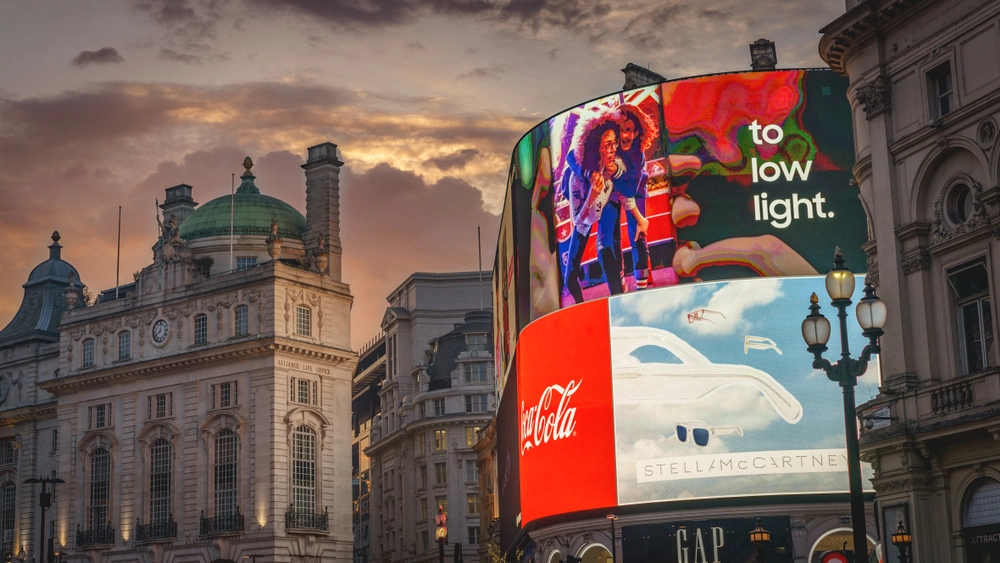
- Advertising campaigns (including Piccadilly Circus billboard advertising and branded taxi wraps nationwide); and
- A 2024 Retail Week award naming them as "Speciality Retailer of the Year".
Comparison of the marks
The hearing officer found the dominant and distinctive word "SEPHORA" appears at the start of both marks, meaning the marks are visually highly similar and have at least a medium degree of aural similarity.
“SEPHORA” was considered an invented term with no conceptual identity, as such, the overlapping element is conceptually neutral. While the additional word “TOBACCO” was descriptive of the applicant’s goods, leading to a conceptual difference between the marks taken as a whole.
Establishment of a link
The hearing officer accepted that encountering “SEPHORA TOBACCO” would bring Sephora’s mark to mind, even though the goods were entirely dissimilar. The strength of Sephora’s distinctive name, enhanced by its reputation, was key to the finding that a link would be made.
Unfair Advantage and detriment to reputation
The hearing office found that use of the contested mark would free-ride on the opponent’s brand equity and investment, as the applicant would benefit from the positive reputation associated with the luxury beauty brand Sephora.
In addition, the opponent successfully argued that linking its beauty brand with tobacco would damage its image. Sephora filed evidence from the NHS demonstrating tobacco’s negative health and beauty effects. The association with harmful goods could erode Sephora’s attractiveness and damage the reputation of Sephora's mark.
Therefore, the claim under Section 5(3) succeeded in full.
Section 3(6) – Bad faith
Sephora alleged that the applicant intentionally attempted to appropriate its well-known mark.
However, the opponent’s evidence of alleged “pattern behaviour” derived from adverse findings in other jurisdictions was not persuasive. The hearing officer found no concrete evidence of dishonest intention by the applicant as at the filing date and emphasised that bad faith must be established on the facts of the individual application.
Therefore, the bad faith ground failed.
Key takeaways
- The evidence from Sephora’s UK relaunch from 2022 onwards was sufficient for the UKIPO to find that the mark had acquired a moderate to strong reputation within a two‑year period. This demonstrates that reputation can build quickly.
- Even dissimilar goods can support a s.5(3) opposition Cosmetics (class 3) and tobacco (class 34) are unrelated, but the strength of “SEPHORA” made confusion or association unnecessary for the opposition to succeed.
- Detriment based on negative product associations is a powerful argument. The harmful health and beauty effects of tobacco supported the detriment claim.
- Bad faith requires strong factual evidence. Pattern behaviour abroad was not enough; specific evidence relating to this application was needed.
Get in touch

Principal Director - Chartered Trade Mark Attorney
Intellectual Property | Charities
Exeter