Principal Director - Chartered Trade Mark Attorney
Intellectual Property | Charities
Exeter
This website will offer limited functionality in this browser. We only support the recent versions of major browsers like Chrome, Firefox, Safari, and Edge.

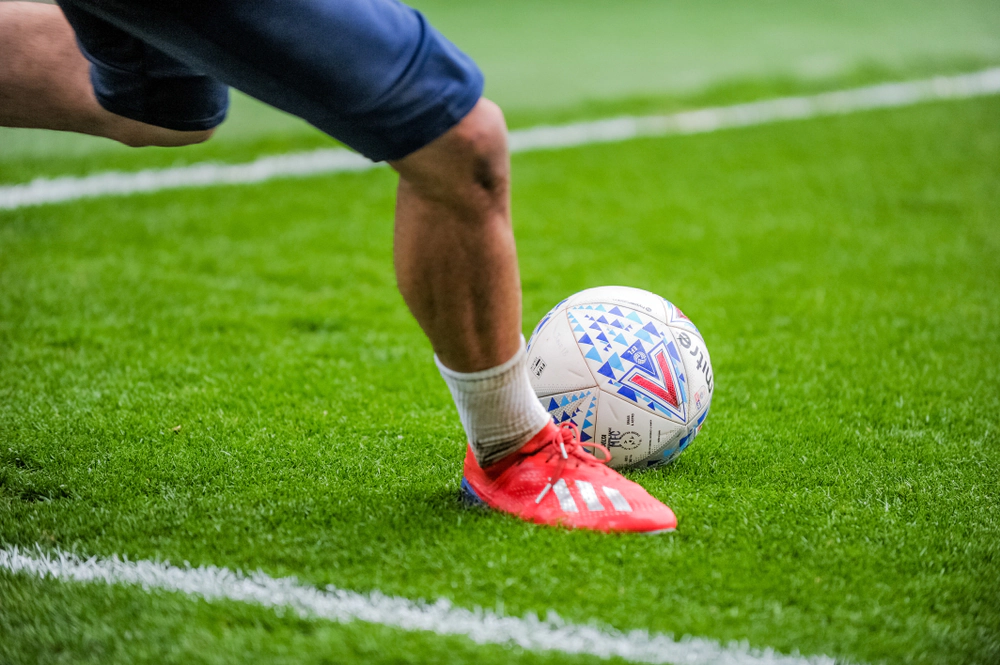
In this guide, we provide an overview of intellectual property (IP) and its application within the sporting industry. We explore why IP matters in sport, the commercial and reputational challenges faced by clubs, athletes and rights holders, and how IP can be used strategically to protect brand value, heritage and innovation.
IP is a broad term used to describe intangible assets created through creativity, innovation and reputation. Across the sporting industry, from grassroots clubs and individual athletes to global leagues, brands and governing bodies, IP is constantly being created, owned and exploited.
Although intangible, IP assets are often among the most valuable in sport. Names, logos, slogans, innovations and iconic moments drive fan engagement, sponsorships, merchandising and media revenues, and frequently hold greater long‑term value than physical assets. Despite this, sporting organisations and individuals do not always take proactive steps to identify and protect their IP until a dispute arises, by which point control may already have been lost.
A strategic approach to IP is therefore essential. Treating IP as a core commercial asset, rather than a purely legal issue, allows those operating in sport to protect their reputation, preserve heritage and unlock new revenue streams in an increasingly competitive and globalised industry.
Trade marks play a central role in protecting and commercialising identity in sport. They safeguard the names, imagery and other distinctive features associated with clubs, teams, athletes and competitions, enabling rights holders to build brand value, secure sponsorship arrangements and control merchandising and fan engagement.
Trade marks in sport may protect team, athlete or competition names and nicknames as word marks, as well as logos, crests, stylised portraits and signatures as figurative marks. Protection can also extend to branding used consistently in specific positions, such as stripes, sleeve badges or other recurring placements on apparel, which may qualify as position marks. In some cases, characteristic chants, calls or audio idents can be registered as sound marks, while short, recognisable movements, such as signature celebrations or gestures, may be capable of protection as motion marks where they function as indicators of origin.
Well known examples include:
Luke Littler, has protected his personal brand through the registration of his name and nickname, “Luke the Nuke Littler” with word marks, alongside slogans such as “born to win”. In addition, he has applied to register his facial likeness as a figurative trade mark, which is currently under examination.
In this guide, we provide an overview of intellectual property (IP) and its application within the sporting industry. We explore why IP matters in sport, the commercial and reputational challenges faced by clubs, athletes and rights holders, and how IP can be used strategically to protect brand value, heritage and innovation.

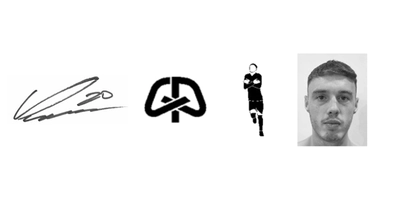
Cole Palmer, whose nickname “Cold Palmer” has become closely associated with his sporting identity has also protected his personal brand through the registration of his name and his nickname with word marks. He has gone further by securing protection for his image, having already registered his face as a f trade mark. He has also registered his stylised handwritten signature, a distinctive personal logo and a silhouetted figure depicting his recognisable celebration pose.
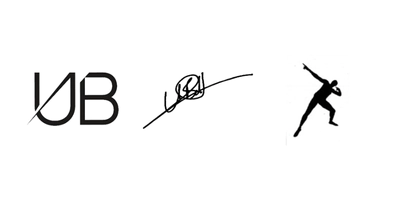
Usain Bolt has secured trade mark protection for multiple elements of his sporting brand, including his name, stylised logos, handwritten signatures and representations of his distinctive celebration. Taken together, these form a portfolio of figurative trade marks, and in some instances support protection for a distinctive gesture capable of functioning as a figurative or motion trade mark when used consistently in branding and merchandising.
Clubs and governing bodies also rely heavily on trade marks to protect and control their brands. Alongside registration of names, crests and logos, many clubs protect slogans and expressions closely tied to their identity, culture and history, such as the Welsh Rugby Union’s “This Is Our Game, This Is Welsh Rugby”.
Image rights arrangements are equally important. Clubs typically enter into agreements allowing the use of a player’s name and likeness on shirts and in sponsorship activity during the term of their contract. Once a player leaves, those rights generally fall away, which is why fans are unable to personalise official Manchester United or Real Madrid shirts with “Ronaldo” or “CR7” through club websites.
Clubs increasingly also register phrases linked to heritage and iconic moments through word marks, such as Manchester United’s “Theatre of Dreams” and Manchester City’s “Blue Moon” and “93:20”, reinforcing the role of trade marks in protecting and monetising sporting legacy.
Design rights protect the visual appearance of the whole or part of a product, including both two‑dimensional designs and three‑dimensional objects. In the UK, design rights can be either registered or unregistered, with the form of protection determining the scope and duration of the monopoly granted.
Registered designs can protect features such as shape, configuration, pattern, decoration, lines, contours, colours, texture and materials, while unregistered design rights may arise automatically in original designs for a shorter period. In a sporting context, design rights can apply to boots, balls, equipment, kits, apparel patterns and other products where appearance plays a key role alongside performance.
For clubs, brands and manufacturers operating in sport, design rights are an important tool for protecting distinctive product designs and maintaining brand differentiation. They can help prevent competitors from copying the look of sporting goods, particularly where visual features are a key driver of consumer choice, whether on the pitch, in broadcast footage or at the point of sale.
Examples of design rights include:
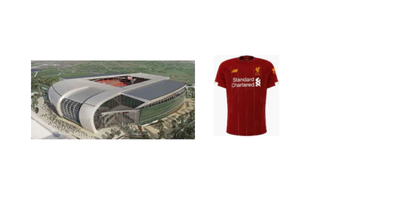
Liverpool Football Club has made use of design protection in relation to both its playing kit and designs of a new stadium. Despite the design right for the new stadium being an expired design it shows that design rights have also been used to protect aspects of the architectural design of modern stadium developments, reflecting the growing recognition that stadium appearance itself can be a valuable and commercially exploitable asset.
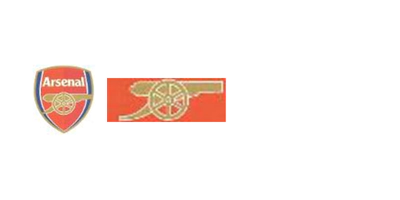
Arsenal Football Club has similarly relied on design rights to protect elements of its club insignia, including the main club badge and the separate Gunner cannon emblem. Design protection in this context focuses on the specific visual appearance of these emblems, offering an additional layer of protection alongside trade marks, particularly against look‑alike reproductions applied to physical merchandise.
At league level, The Football Association Premier League Limited has also utilised registered design rights to protect the visual appearance of its lion head logo. While trade marks remain central to brand protection, design registration allows the Premier League to control the precise look and form of the logo when reproduced on products such as trophies, merchandise and other three‑dimensional items.

Copyright arises automatically under UK law and protects original literary, dramatic, musical and artistic works, as well as sound recordings, films, broadcasts and typographical arrangements.
In sport, copyright may subsist in:
Copyright allows rights holders to control copying, distribution, broadcasting and online availability of protected works, and to monetise content through media and licensing arrangements. Given the importance of digital and broadcast content to modern sport, effective copyright protection is critical.
Copyright infringement, particularly through illegal streaming, presents a significant threat to sports media rights, sponsorship revenues and fan engagement. Active enforcement is therefore essential to safeguarding commercial value and the long‑term sustainability of professional sport.
Patents play a significant role in protecting technical innovation across the sporting industry, from systems used in elite officiating to advances in equipment and sports nutrition. Patent protection is particularly valuable in sport where marginal technical improvements can have a meaningful impact on performance, safety and fairness.
In spectator sports and officiating, patented technology has become central to decision‑making in high‑profile competitions. Given the vast global audiences for elite sporting events, accurate adjudication is critical. At the turn of the century, ball‑tracking systems were developed to visually track the flight and position of a ball using multiple cameras and computer processing. Early UK patent filings by Roke Manor Research sought to protect these video processor systems, which were later commercialised through Hawk‑Eye Innovations. Over time, further patent activity in this area supported the widespread adoption of ball‑tracking and video review technology across sports such as football, tennis and cricket, significantly influencing how games are officiated and broadcast.
Patents have also long been used to protect sports equipment and apparel. Early examples include patents covering fundamental equipment such as hockey sticks, while modern patent activity is concentrated around footwear, apparel and specialist sporting goods. Leading sportswear brands regularly file patents covering functional features in trainers and boots, reflecting ongoing innovation in materials, structure and performance. Comparable patent activity exists in specialist performance equipment, such as sports eyewear, where patents protect technologies including optical filters designed to manage light transmission, and comfort‑focused features such as sweat‑management systems aimed at improving usability during high‑intensity activity. The scope of sports equipment patenting extends beyond mainstream products to more niche inventions, including rehabilitation equipment and specialist accessories.
Patent protection is also increasingly visible in sports nutrition and recovery, mirroring the growing emphasis on scientific training and conditioning. From early sports drinks developed for professional athletes to a crowded modern market of supplements, energy bars and recovery products, patents are used to protect both formulations and delivery mechanisms. Large manufacturers and smaller innovators alike have sought patent protection for nutrition products, including energy bars and alternative nutrient sources, as well as more novel methods of administering supplements, reflecting the commercial value of innovation in this space.
Taken together, these examples illustrate the breadth of patent protection across sport, demonstrating how patents are used to safeguard functional advances that shape how sport is played, officiated and commercialised.
Despite the increasing importance of intellectual property to the sports industry, organisations, athletes and rights holders face a number of practical and legal challenges in protecting and exploiting their IP effectively.
While trade marks are essential for safeguarding team names, logos and other distinctive symbols, enforcing these rights in practice can be difficult. The global reach of sport, combined with the rise of online marketplaces and social media, has led to widespread counterfeiting and unauthorised brand use. Policing misuse across jurisdictions requires significant time and cost, and failure to act promptly can dilute brand value and weaken enforcement rights. According to EUIPO data fake sports equipment cost manufacturers €850 million per year.
Important figures in sport in the UK frequently face restrictions arising from club sponsorship arrangements, which can limit or conflict with personal endorsement deals. Premier League clubs may have dozens of commercial partners, all seeking access to player images, while players simultaneously pursue individual brand partnerships. This can lead to disputes over exclusivity, scope of permitted use and whether a player’s personal endorsement conflicts with club obligations. A well‑known example is José Mourinho’s endorsement of Jaguar while managing Manchester United, whose official automotive partner was Chevrolet, highlighting how even senior figures in football can encounter tension between personal commercial activity and club‑level sponsorship commitments. Managing overlapping rights between employment contracts, image rights agreements and third‑party sponsorship deals is therefore a significant practical and legal challenge.
Broadcast and media rights remain one of sport’s most valuable assets, but technological innovation continues to disrupt traditional models. The growth of digital streaming, social media clips, virtual and augmented reality experiences, and interactive content blurs the boundaries of ownership and licensing. Rights holders must constantly adapt their legal strategies to protect content while responding to changing consumer expectations and new forms of infringement, including illegal streaming and unauthorised content sharing. A study published by Synamedia estimates that piracy of sports broadcasts comes at a £20.96 billion loss to the sports industry.
A recurring challenge across all IP rights in sport is striking the right balance between protection and competition. Over‑enforcement can generate negative publicity or alienate fans, while under‑enforcement risks loss of control and commercial value. Sports organisations must therefore take a measured, strategic approach to IP enforcement that protects key assets without undermining the spirit, accessibility and cultural significance of sport.
As this guide demonstrates, the sporting industry generates a wide range of valuable intellectual property assets as part of its day‑to‑day activities. From brand identity, image rights and media content to product design and technological innovation, IP is embedded across every level of sport, from grassroots organisations and individual athletes to elite clubs, leagues and governing bodies. When identified and managed effectively, these assets not only protect reputation and heritage, but can also be leveraged to drive commercial growth, fan engagement and long‑term sustainability.
It is therefore essential that those operating in sport take a proactive and strategic approach to intellectual property. Understanding what IP assets exist, who owns them, how they are used and how they are protected is critical to maintaining control and avoiding disputes in an increasingly competitive and globalised environment.
Our Intellectual Property experts here at Foot Anstey support clients across the sporting sector in navigating these challenges. We can help you identify and audit your IP assets, assess risk, and develop a robust and commercially aligned IP strategy tailored to your sport, organisation or personal brand. Our advice spans the full lifecycle of IP, from protection and enforcement through to licensing and commercial exploitation.
We are always on hand to support you in protecting and maximising the value of your sporting IP. Please get in touch to find out how we can help.
Principal Director - Chartered Trade Mark Attorney
Intellectual Property | Charities
Exeter