A step too far? UKIPO rejects CROCS shape mark application

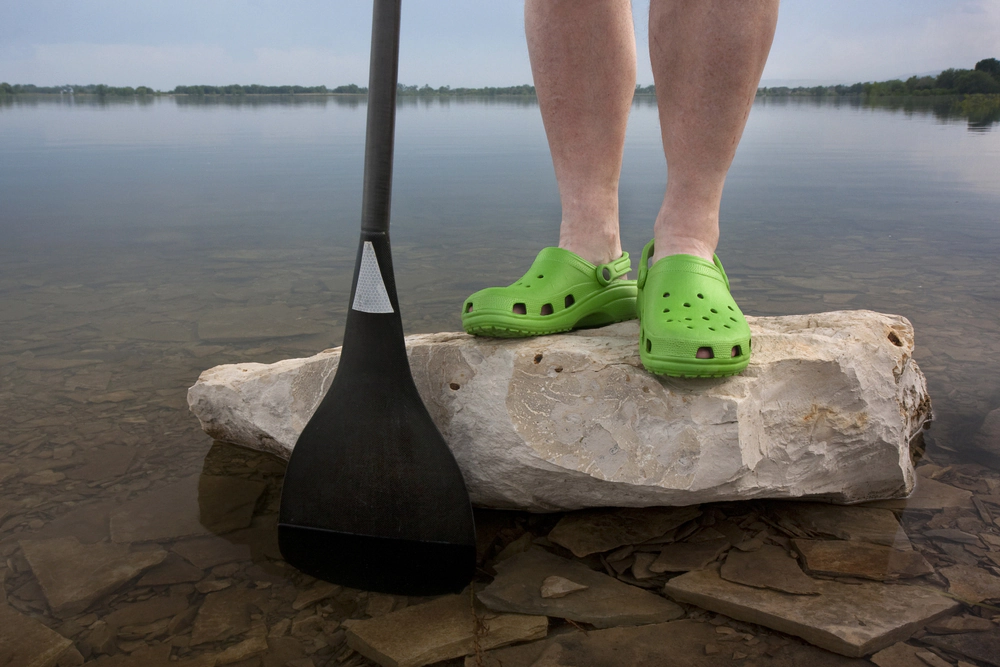
A recent decision of the UK Intellectual Property Office ("UKIPO") has highlighted the difficulties of obtaining trade mark protection for product shapes, even where those shapes are closely associated with a well-known brand. In Crocs, Inc.'s ("Crocs") application to register the three-dimensional shape of its iconic clog, the UKIPO ultimately refused registration, concluding that the shape lacked inherent distinctiveness and that the evidence submitted did not establish acquired distinctiveness.
Background
In March 2024, Crocs applied to register the 3D shape of its well-known clog for goods in class 10 (orthopaedic shoes) and class 25 (footwear, shoes, clogs, boat shoes, and beach shoes). The UKIPO raised an objection under section 3(1)(b) of the Trade Marks Act 1994, arguing that the sign consisted merely of the shape of the goods themselves and was devoid of distinctive character. According to the examiner, consumers would not view the shape alone as indicating commercial origin.
Crocs responded by submitting evidence intended to demonstrate that the shape had acquired distinctiveness through extensive use. Following an initial hearing in April 2025, a UKIPO hearing officer accepted that, although the shape lacked inherent distinctiveness, the evidence appeared sufficient to establish acquired distinctiveness. The application was therefore allowed to proceed towards publication.
Third-party observations
The case took a significant turn in July 2025 when the UKIPO received third-party observations challenging the decision. The observer argued that consumers recognised the shape only when it was used alongside Crocs branding, such as the CROCS word mark or the crocodile logo displayed on the shoe. The observer also pointed to widespread use of similar clog designs by other traders, contending that the shape did not exclusively identify Crocs as the source of the goods.
After reviewing the observations, the UKIPO raised a late objection under section 3(1)(b), noting that insufficient attention had previously been given to the prevalence of similar shoe shapes in the marketplace. The UKIPO considered that evidence submitted by the observer suggested extensive third-party use of comparable designs.
The key question
At the heart of the dispute was whether consumers, when presented only with the shape of the shoe, would perceive it as identifying Crocs as the commercial origin of the product. The UKIPO emphasised established trade mark principles that consumers are generally not accustomed to determining the origin of goods solely from their shape, particularly where the shape is a common product form.
Crocs argued that the distinctive appearance of its clog had become so familiar that consumers would recognise it as originating from the company, even without accompanying logos or branding. In addition to the evidence previously filed (which included sales figures, marketing materials, social media activity, and consumer surveys), the company included a later survey conducted involving 1,000 UK respondents.
Why the evidence failed
Despite acknowledging the strength of Crocs' market presence, the hearing officer concluded that the evidence primarily demonstrated consumer association, rather than the legally required standard of trade mark distinctiveness. In other words, consumers may recognise the shoe shape and think of Crocs, but that does not necessarily mean they rely on the shape alone as a badge of origin when making purchasing decisions.
The decision drew a distinction between consumers associating a product with a manufacturer and consumers actually understanding the shape itself to function as a trade mark. The UKIPO found that Crocs' evidence did not adequately show that the shape, independent of accompanying branding, performed this essential trade mark function.
Crocs also argued that proof of consumer "reliance" on the shape was not legally essential. Nevertheless, the hearing officer remained unconvinced that the evidence demonstrated the level of consumer recognition necessary to establish acquired distinctiveness for a shape mark.
The decision
After reviewing all submissions and supplementary evidence, the hearing officer concluded that the mark consisted merely of the shape of a shoe and lacked inherent distinctiveness. Furthermore, the evidence failed to establish that the shape had acquired distinctiveness through use. As a result, the application was refused.
Significance for brand owners
The decision illustrates the exceptionally high bar facing applicants seeking trade mark protection for product shapes in the UK. Even where a shape has achieved substantial commercial success and widespread public recognition, applicants must demonstrate more than mere association. They must show that consumers perceive the shape itself, without additional branding, as identifying a single commercial source.
For businesses relying on distinctive product configurations, the case serves as a reminder that alternative intellectual property rights, such as registered designs, may often provide more reliable protection than shape marks. The Crocs decision adds to a long line of authorities confirming that shape marks remain among the most challenging categories of trade marks to register successfully.
Get in touch

Principal Director - Chartered Trade Mark Attorney
Intellectual Property | Charities
Exeter