Partner
Risk Advisory & Regulatory | Contentious Regulatory | Energy & Infrastructure
London
This website will offer limited functionality in this browser. We only support the recent versions of major browsers like Chrome, Firefox, Safari, and Edge.

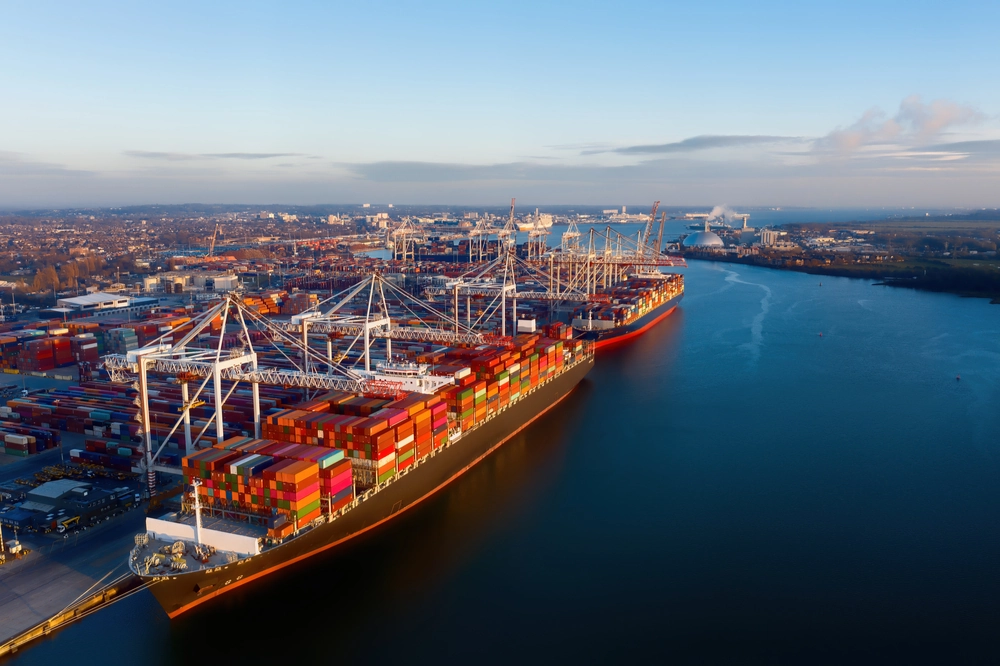
As part of its efforts to tackle sanctions circumvention and prevent sanctioned goods intended for non-sanctioned countries from being diverted to sanctioned persons or end destinations, the UK will introduce sanctions end user controls ("SEU Controls") on 13 May 2026.
The Sanctions (EU Exit) (Miscellaneous Amendments) Regulations 2026 will amend all 36 of the UK's post Brexit sanctions regimes, including by inserting a new "Trade: end-use control" regulation into regimes relating to Belarus, Iran, Korea, Lebanon, Libya, Myanmar, Russia, Somalia, Syria, Venezuela and Zimbabwe,
From 13 May 2026, it will be an offence for an exporter to proceed with exporting goods it has been notified are at risk of diversion without first obtaining a SEU Controls licence. SEU Controls, and the requirement for a licence, will only apply if you have been informed in writing by the government that your goods are at risk of diversion.
UK sanctions already prohibit making restricted goods and services available to sanctioned persons or for use in certain countries including Russia both directly and indirectly. Existing measures also prohibit intentional participation in activities which are known to have the object or effect of circumventing trade sanctions. The interpretation of phrases commonly used in such prohibitions has been the subject of much debate, culminating in the long-awaited Supreme Court decision in UniCredit Bank GmbH, London Branch v Constitution Aircraft Leasing (Ireland) 3 Ltd and anor; UniCredit Bank GmbH, London Branch v Celestial Aviation Services Ltd [2026] UKSC 10. The SEU Controls do not change these existing prohibitions or apply to items which are already the subject of export controls relating to military or WMD use in a country which is subject to an arms embargo.
Guidance published by DBT and OTSI on SEU Controls highlights the authorities' expectation that exporters will already be carrying out diligence in order to comply with existing prohibitions and that they may be asked to provide details of their diligence in support of applications for licences. The guidance also cautions that authorities consider exporters risk breaching prohibitions on indirect supply where they believe goods are at risk of diversion but have not been informed.
Trade sanctions regulations can be enforced by both HMRC using criminal investigation and prosecution powers, and OTSI which has powers to award civil monetary penalties or refer matters to HMRC for criminal investigation. A breach of the new SEU Controls may result in enforcement action including:
OTSI is not accepting advance licence applications but has committed to keeping this under review. Exporters may wish to review the circumstances in which their goods are exported for use by businesses with operations or connections to Russia (which the government considers to present the highest risk of sanctions circumvention) as well as Belarus, Iran, Korea, Lebanon, Libya, Myanmar, Somalia, Syria, Venezuela and Zimbabwe and may wish to refresh their diligence in order to verify that their goods are not at risk of diversion.
Partner
Risk Advisory & Regulatory | Contentious Regulatory | Energy & Infrastructure
London